






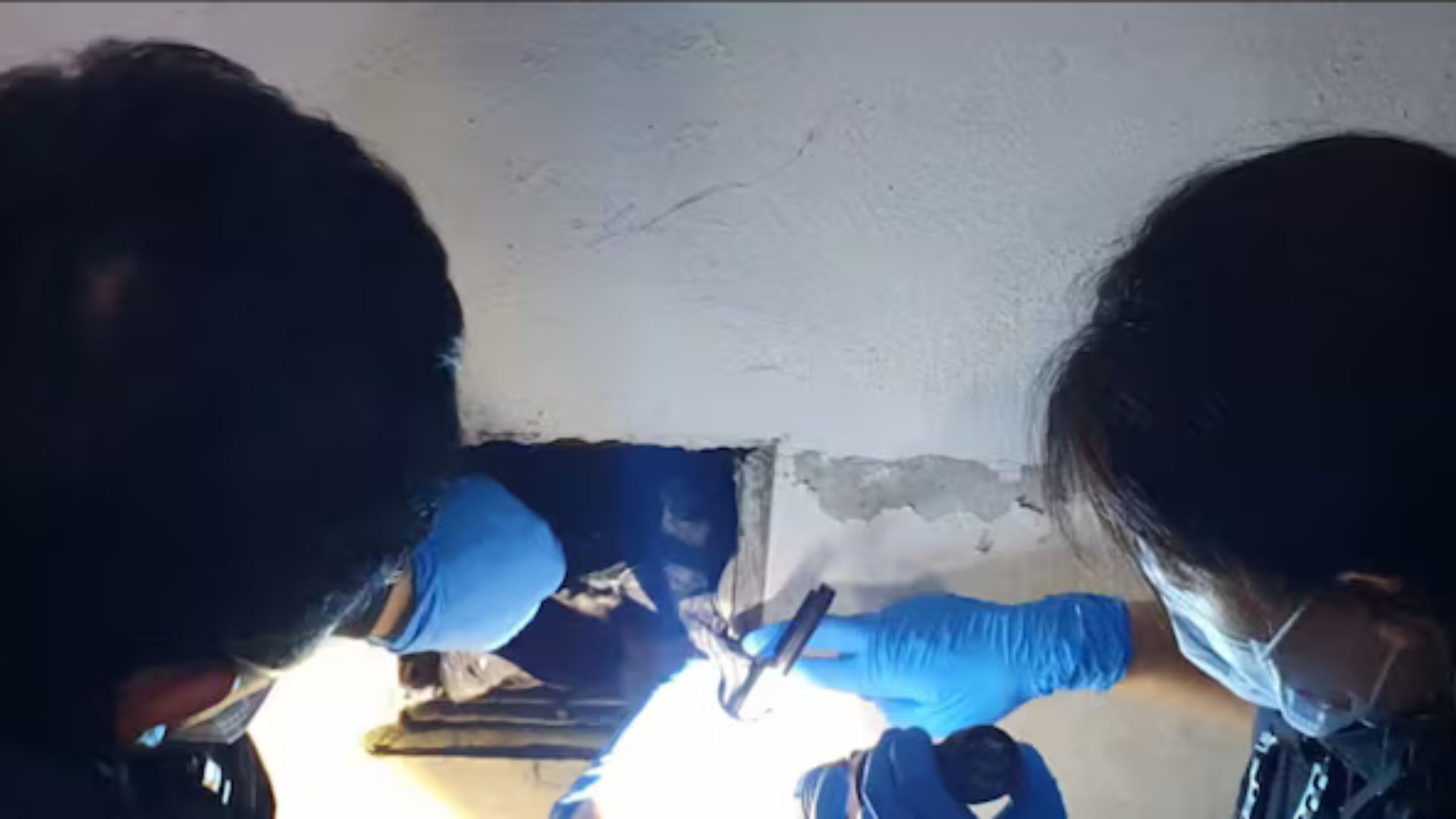
Cold case in Sinjeong-dong officially closed after forensic breakthrough; investigation highlights gaps in past policing methods

The Seoul Metropolitan Police Agency has officially identified the perpetrator behind the Sinjeong-dong serial murders, closing one of the longest-running unsolved cases in the city. The suspect, known by his surname Jang, was a security guard at the building where the crimes took place and was in his 60s at the time. He died in 2015, effectively ruling out prosecution.
The killings, which occurred five months apart in 2005 in Yangcheon District, drew national attention due to their brutality. Despite heavy media coverage and a dedicated investigative team at the time, a lack of forensic evidence led to the case going cold for nearly 20 years.
Pattern of Crimes Inside the Y Building
Investigators later confirmed that all incidents followed the same pattern and took place at the Y Building, where Jang worked.
- June 2005: Victim A was lured to the basement after being told the main entrance was locked. She was robbed, sexually assaulted, strangled, and later found near an elementary school with her body bound in rice sacks.
- November 2005: Victim B suffered a similar fate. She was assaulted, sustained severe internal injuries, and was strangled before being abandoned in a nearby residential street.
The method, location, and concealment of evidence suggested deliberate planning. However, forensic limitations at the time prevented any DNA link to the suspect.
Missed Link Despite Arrest
In February 2006, Jang attempted another assault using the same method but was arrested at the scene. Despite this, police failed to connect him to the earlier murders. Investigators later explained that limited DNA analysis technology and a lack of suspicious findings during earlier inquiries prevented any association between Jang and the first two victims. By 2013, the case was officially classified as unsolved.
Cold Case Team Reopens Investigation
A major shift occurred in 2016, when the Seoul police Cold Case Team reexamined evidence using improved forensic tools. Two separate analyses by the National Forensic Service in 2016 and 2020 confirmed that both victims were killed by the same offender.
The investigation expanded to a massive pool of over 231,000 potential suspects, including workers, residents, and former convicts. DNA samples from 1,514 individuals were tested, but none matched — even after checking overseas databases.
Breakthrough Through DNA from Deceased Suspect
Investigators then widened their search to deceased individuals. Personal belongings from 56 deceased suspects were examined. A preserved hospital sample linked to Mr. Jang finally provided the breakthrough. His DNA fully matched evidence collected from both crime scenes, including rope fibers and underwear. Mr. Jang was confirmed to have died of cancer in 2015, making prosecution impossible.
Confusion with the ‘Yeopgi Tokki’ Case
The Sinjeong-dong murders were often mistakenly associated with the “Yeopgi Tokki Case” from May 2006, which involved another kidnapping in the same area. Speculation grew after a broadcast mentioned the possibility of a single perpetrator. However, police confirmed that Mr. Jang was already in prison for rape at the time, ruling out any involvement in that case. The overlap in timing and location contributed to public confusion, but investigations found no evidence connecting the two incidents.
Case Closed — But Lessons Remain
The case will now be closed with “no right to indict.” Police officials stressed that despite the suspect’s death, the investigation served its purpose by uncovering the truth. They expressed gratitude to the victims’ families for their patience and cooperation throughout the two-decade-long investigation.
Authorities say they will continue efforts to solve long-standing cases, noting that improvements in forensic technology and cold case methodology have become essential tools in modern policing.