


Agreements across key sectors reflect deepening economic ties and a shift toward higher-value cooperation
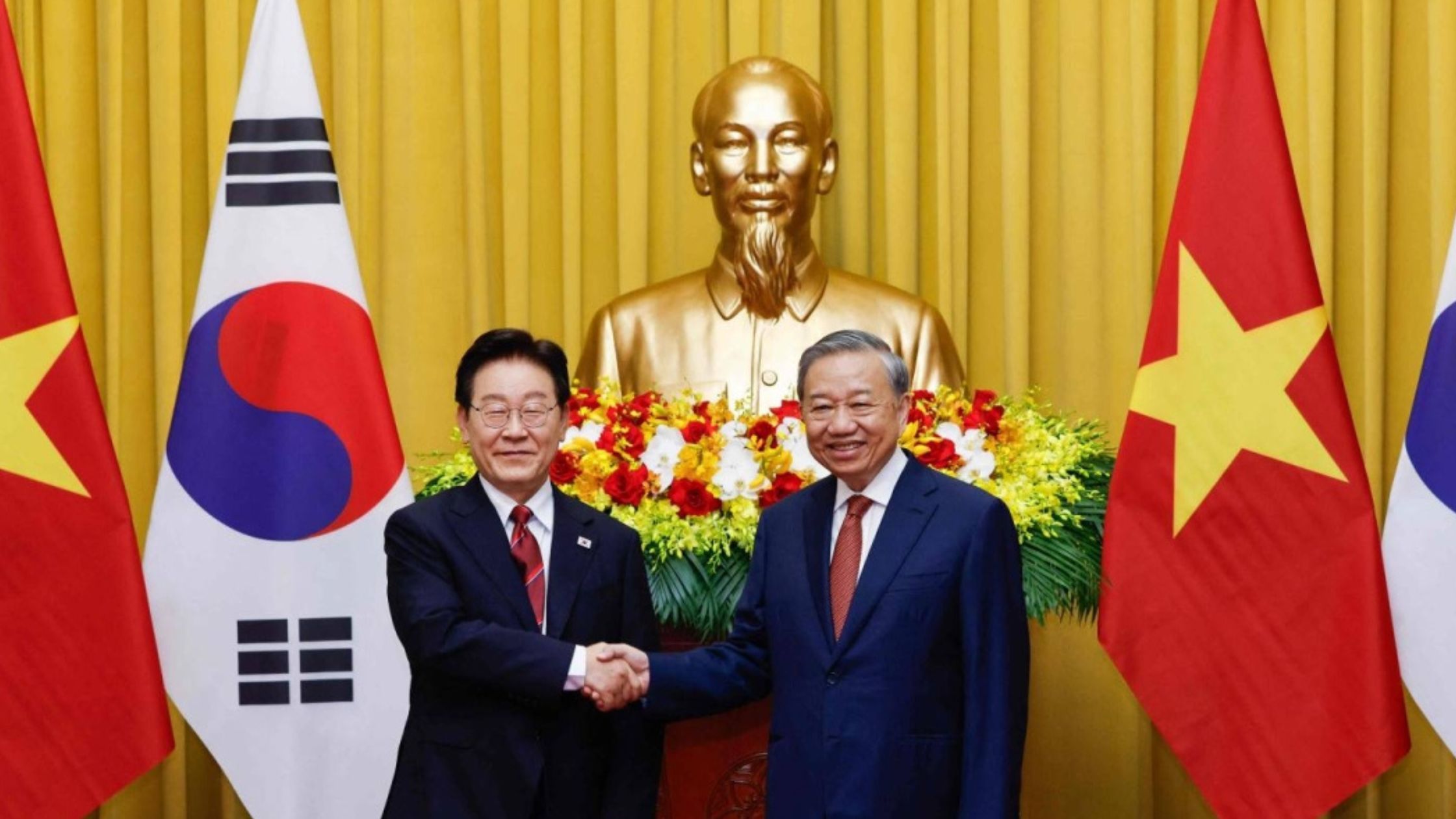
South Korea and Vietnam signed a wide range of business cooperation agreements during President Lee Jae-myung’s visit to Hanoi, underscoring the growing economic alignment between the two countries as they look to expand collaboration beyond traditional manufacturing.

A total of 73 agreements were concluded during a bilateral economic forum, covering sectors such as technology, energy, finance, construction and logistics. The scale of the signing highlights the depth of corporate engagement between the two economies.
The agreements were signed alongside a series of government-level discussions, indicating that the visit was designed to strengthen both commercial and strategic ties. Earlier in the visit, the two countries also finalized multiple intergovernmental pacts in areas including security and energy cooperation.
Taken together, the announcements suggest a broader effort to move the relationship beyond its established trade base toward more diversified and higher-value collaboration.
Strong Corporate Presence
More than 100 South Korean business representatives were part of the delegation, reflecting Vietnam’s importance as a destination for investment and production. Major conglomerates, including Samsung Electronics, LG, SK Group, Lotte Group and POSCO Holdings, were represented, signaling continued private-sector confidence in the Vietnamese market.
For many of these firms, Vietnam has become a key hub for manufacturing and supply-chain diversification, particularly as companies look to reduce dependence on single-country production models.
Vietnam has increasingly positioned itself as a center for foreign investment in Southeast Asia, offering a combination of cost competitiveness, improving infrastructure and access to regional markets.
The agreements signed during the forum reflect Hanoi’s ambition to attract more advanced industries, including digital services, high-tech manufacturing and energy development, areas where South Korean companies bring established expertise.
A Partnership Driven by Business
While government-level agreements set the direction, it is private-sector activity that continues to anchor the relationship. South Korean companies have played a central role in Vietnam’s industrial development, particularly in electronics, manufacturing and consumer sectors, creating dense supply-chain linkages over time.
Trade and investment flows have grown steadily over the past decade, with Vietnam emerging as one of South Korea’s largest trading partners and a key destination for overseas production. This integration has made the relationship less transactional and more structural, with businesses on both sides increasingly dependent on long-term collaboration.
Both governments have set an ambitious target to further expand bilateral trade, with current efforts focused on enabling higher-value investment. The emphasis is shifting toward advanced manufacturing, digital services and energy, areas where sustained corporate involvement will determine how far the partnership can evolve.
Regional Context
The timing of the visit also reflects broader shifts in the regional economy. As global companies rethink supply chains and diversify production, Southeast Asia has gained importance as an alternative manufacturing base.
For South Korea, strengthening ties with Vietnam fits into a wider regional strategy aimed at maintaining economic competitiveness and securing access to growth markets.
The agreements signed in Hanoi are unlikely to deliver immediate outcomes on their own, but they reinforce an already robust economic partnership. More importantly, they point to a shared intention to deepen cooperation in sectors that will shape future growth.
As the relationship evolves, the balance between government coordination and corporate activity will remain central. The scale of engagement seen during the visit suggests that both sides view the partnership as long-term, commercially grounded and strategically significant.
Image credits: AFP