
Seoul expands diplomatic reach across Africa, the Middle East and Europe as President Lee attends the G20 Summit, seeking stronger multilateral ties and a greater role in global governance.
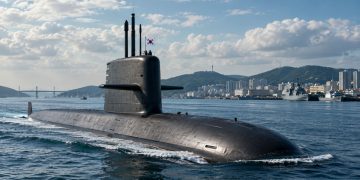
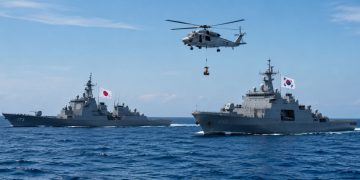
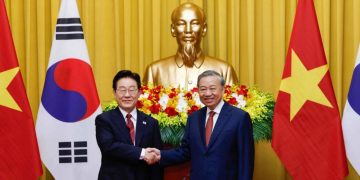
South Korean President Lee Jae-myung has departed for Johannesburg, South Africa, to participate in the G20 Summit, following an official visit to Egypt. In Cairo, he met with Egyptian President Abdel Fattah El-Sisi, focusing on defence cooperation and peace-building efforts. Lee also presented Seoul’s initiative to enhance engagement in the Middle East, outlining plans for economic collaboration and regional stability before heading to the global forum.

Focus at the G20 Summit
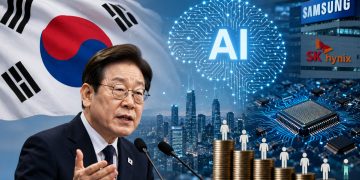
This year’s summit, held under the theme “Solidarity, Equality, Sustainability,” will gather leaders from major economies to address global challenges such as inclusive growth and climate responsibility. During the main sessions, Lee is expected to outline South Korea’s economic policy direction and climate strategy, positioning the country as an active participant in shaping solutions for global issues.
The summit marks the first G20 gathering held in Africa, giving Seoul an opportunity to deepen its outreach to the continent. National Security Adviser Wi Sung-lak said South Korea will explore ways to support Africa’s development and pursue long-term partnerships based on mutual interests.
Middle East Initiative and Regional Outreach
President Lee announced a comprehensive initiative aimed at strengthening ties with the Middle East, focusing on three key areas:
- Peace and security cooperation
- Economic partnerships and trade
- Cultural and educational exchanges
This initiative signals Seoul’s intention to widen its diplomatic engagement beyond Northeast Asia and respond to growing geopolitical shifts in the region.
Bilateral and Multilateral Diplomacy
During the summit, Lee will hold talks with leaders of Germany and France to reinforce bilateral relations. The upcoming discussions with French President Emmanuel Macron carry added symbolic value as 2025 marks the 140th anniversary of diplomatic ties between the two nations. Collaborative efforts are expected to address security, technology cooperation and trade.
Lee will also participate in a meeting with MIKTA — an informal group of five middle-power countries: South Korea, Mexico, Indonesia, Türkiye, and Australia. Discussions will focus on strengthening multilateral cooperation on supply chains, climate policy and global governance.
Diversifying Foreign Policy
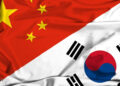
Analysts observe that Lee’s diplomatic schedule reflects Seoul’s strategy to diversify its foreign policy amid heightened U.S.–China rivalry. His consecutive engagements with European and MIKTA leaders highlight South Korea’s attempt to expand international partnerships and build a more pragmatic diplomatic framework.
Regional Tour and Global Landscape
After the G20 summit, Lee will head to Turkey, concluding a regional tour that has covered the UAE, Egypt, and South Africa. His itinerary underscores a broader foreign policy direction toward West Asia and emerging African economies.
This year’s G20 summit is also notable for the absence of leaders from the United States, China, and Russia — the first time all three will miss the event since the forum’s creation in 1999. Their absence may open more space for middle-power nations, including South Korea, to voice their positions on trade, economic stability and global governance.
Looking Ahead
South Korea is set to host the G20 Summit in 2028, providing an opportunity to shape international discussions more directly. The current summit in Johannesburg may serve as an early test of Seoul’s efforts to play a wider role in global diplomacy — particularly at a time when traditional power structures are shifting.