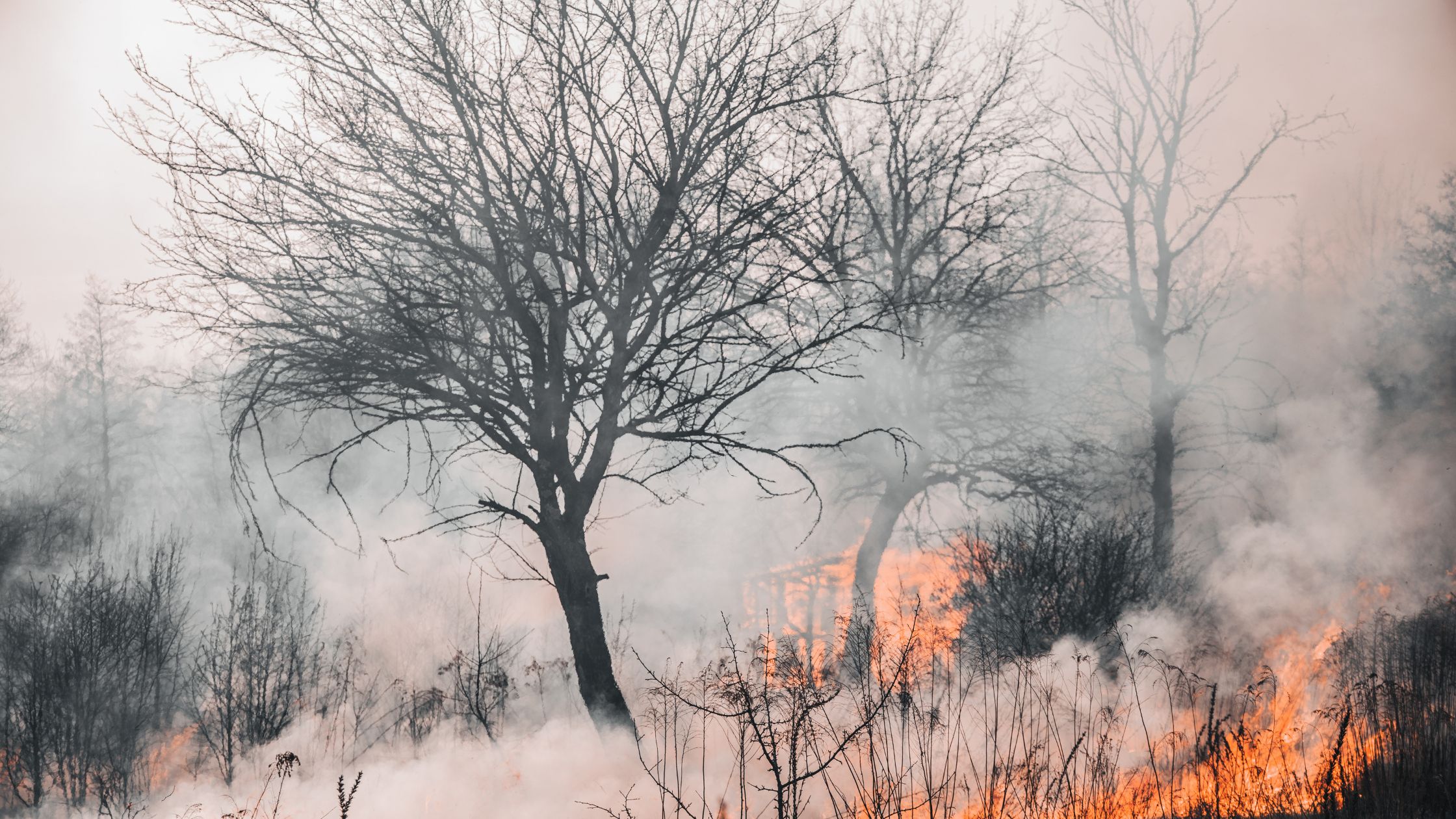






A firefighting helicopter crashed on Wednesday while battling intense wildfires in South Korea’s southeastern region, killing the pilot, officials said. The accident occurred at approximately 12:54 p.m. local time on a hillside in Uiseong County, about 180 kilometers southeast of Seoul. Emergency responders confirmed that the pilot was found dead at the scene, while authorities launched an investigation into the cause of the crash.

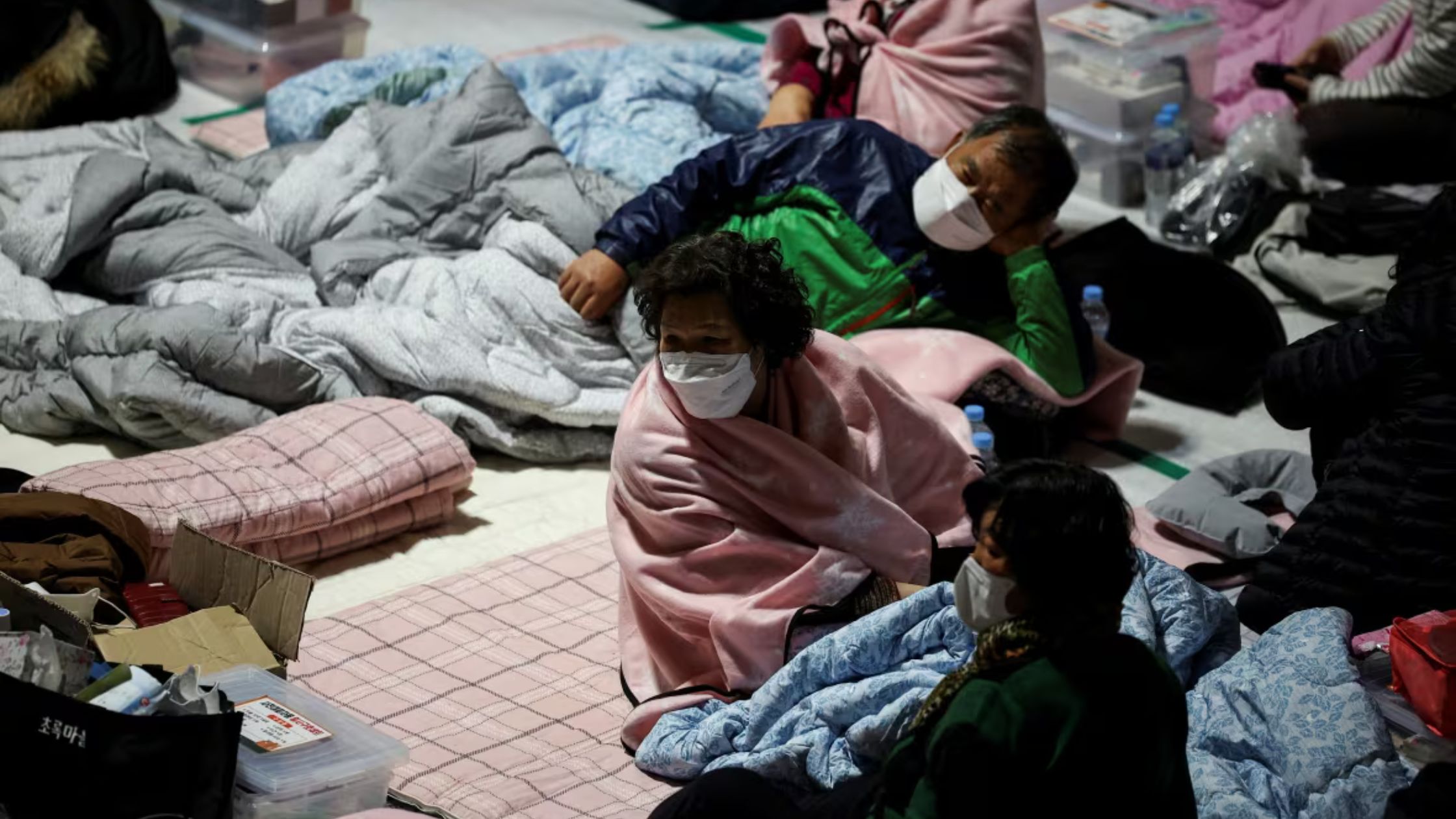
The wildfire crisis, one of the worst in decades, has resulted in at least 24 deaths and forced over 27,000 residents to evacuate. Strong winds and dry conditions have fueled the spread of the fires, destroying entire neighborhoods, shutting down schools, and prompting the transfer of hundreds of prison inmates to safer locations. Authorities continue efforts to contain the blazes as firefighting teams work around the clock.
Acting President Han Duck-soo described the ongoing wildfires as the worst in the country’s history, stating that all available resources were being deployed to contain the disaster. He confirmed that the U.S. military stationed in South Korea also assisted in firefighting efforts. The Korea Forest Service reported 24 confirmed fatalities, with most occurring in Uiseong County, while additional deaths were linked to fires in Sancheong County.
The helicopter crash led to a temporary grounding of firefighting aircraft, complicating containment efforts in the mountainous terrain where helicopters play a crucial role. Video footage from the crash site showed twisted wreckage and smoldering debris scattered along the hillside. Authorities have launched an investigation into the cause of the accident, while officials faced criticism over the country’s aging firefighting fleet. Eight Russian helicopters had already been taken out of service due to sanctions preventing the import of replacement parts.
Firefighters and emergency crews have been struggling to control the blazes, which have destroyed entire neighborhoods and forced the evacuation of more than 27,000 residents. Authorities deployed nearly 5,000 personnel, including police and military units, along with 87 helicopters. However, persistent dry and windy conditions continued to fuel the fires, making containment efforts difficult. The fires also damaged infrastructure, causing power outages and road closures in affected areas.
The flames have already gutted historic sites, including Goun Temple, built in 681, and were approaching UNESCO-listed landmarks such as Hahoe Village and the Byeongsan Confucian Academy in Andong. Firefighters were spraying fire retardants to protect these cultural treasures. Meanwhile, the Korea Forest Service announced plans to secure additional firefighting helicopters in response to concerns over insufficient equipment.
The government has declared the wildfire-hit regions as special disaster zones, with more than 15,000 hectares of land scorched by the ongoing fires. Officials reported that the Uiseong blaze remained only 68 percent contained as strong winds spread the flames at an alarming pace.
Lee Byung-doo, a forest disaster expert at the National Institute of Forest Science, described the scale and speed of the Uiseong fire as “unimaginable.” He warned that climate change is increasing the frequency of wildfires worldwide, citing recent blazes in Los Angeles and northeast Japan as examples of this growing trend.