



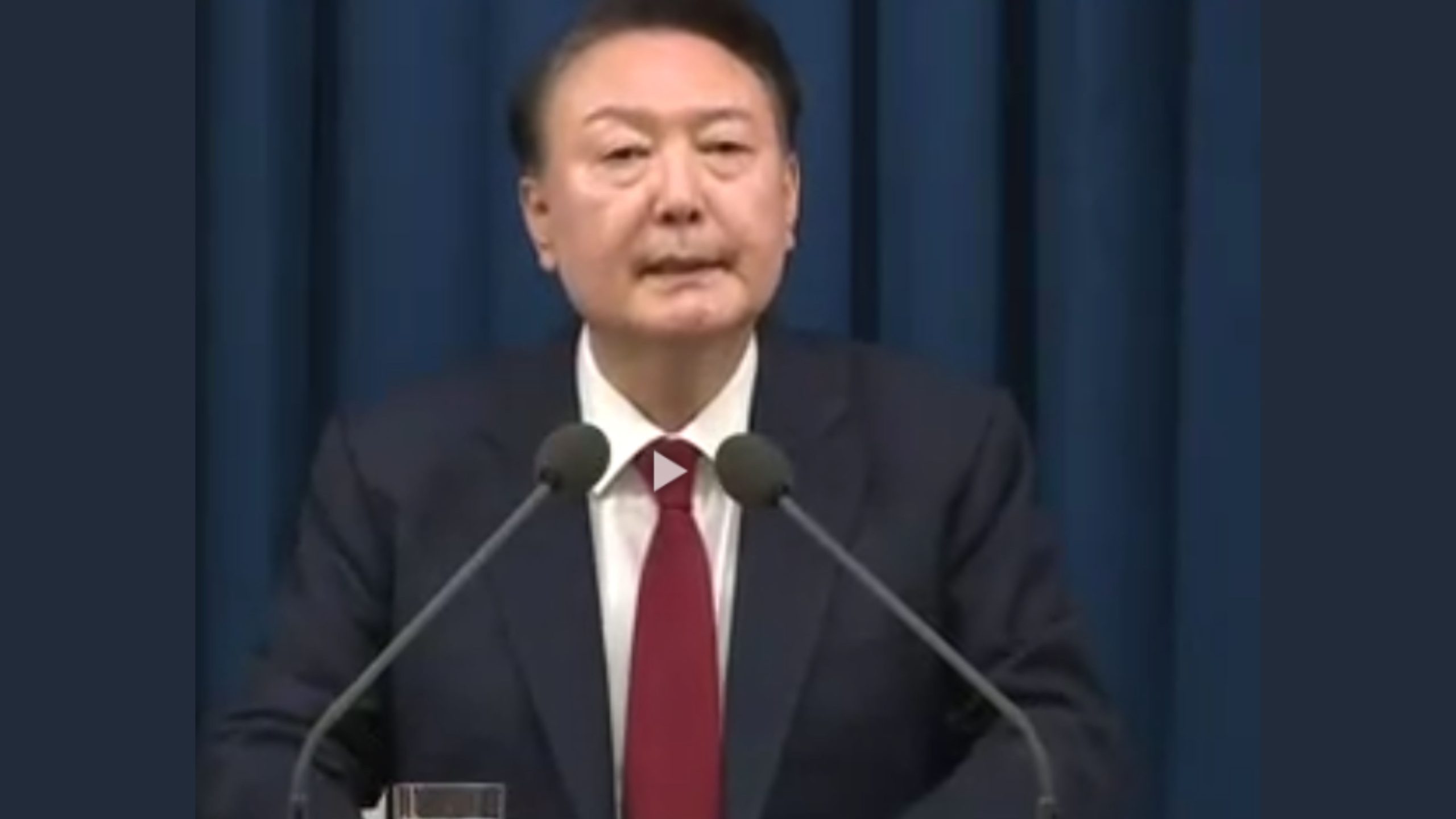
Special counsel argues obstruction of arrest and abuse of power warrant prison term as courts weigh accountability after constitutional crisis
South Korea’s special prosecutor on Friday asked the court to impose a 10-year prison sentence on former president Yoon Suk Yeol, accusing him of attempting to obstruct his own arrest after his failed bid to impose martial law. The request was made during a hearing tied to a broader set of criminal cases that followed Yoon’s impeachment and removal from office.

Prosecutors told the court that Yoon deliberately sought to block investigators in January by barricading himself inside the presidential compound. According to Yonhap News Agency, the case is one of several trials linked to the short-lived martial law declaration late last year, with a ruling in the obstruction case expected next month.
Prosecutors frame conduct as breach of constitutional duty
The sentencing demand is the first prison term sought by the special prosecution team across the multiple charges Yoon faces. In recorded court remarks, prosecutors said the former president had severely damaged public trust by misusing the powers of his office.
“The defendant, who was expected to protect the constitution and uphold the rule of law, abused his authority and harmed the public,” a prosecutor said while formally requesting the sentence. The prosecution argued that Yoon’s actions went beyond political misjudgment and amounted to a serious violation of constitutional responsibility.
Claims of no remorse and shifting blame
Prosecutors further told the court that Yoon had neither apologized nor expressed remorse to the public. Instead, they said, he attempted to shift responsibility to aides and subordinates, a posture they argued reflected a continued refusal to accept accountability for the crisis triggered by the martial law attempt.
This lack of contrition, the prosecution said, should weigh heavily in sentencing, given the scale of institutional disruption and public anxiety caused by the episode.
Additional allegations tied to martial law process
Beyond the alleged obstruction of arrest, prosecutors accused Yoon of procedural failures in declaring martial law. They said he did not properly convene all Cabinet members before making the announcement and later provided misleading explanations to foreign media, compounding diplomatic and political fallout.
The prosecution framed these actions as part of a pattern of unilateral decision-making that bypassed legal safeguards designed to prevent abuse of emergency powers.
Court timeline and parallel proceedings
The Seoul Central District Court is scheduled to issue its verdict in the obstruction case on January 16, South Korean media reported. Legal analysts say the ruling could become a benchmark for how courts assess executive conduct during constitutional emergencies.
Separately, Yoon is on trial for insurrection related to the martial law episode—charges that carry the possibility of life imprisonment or, in extreme circumstances, the death penalty if he is convicted.
Broader legal exposure and denial of charges
In a parallel investigation, special prosecutors probing alleged bribery and stock manipulation involving Yoon’s wife, Kim Keon Hee, indicted the former president on Friday for alleged violations of the Public Official Election Act.
Yoon has denied all charges across the cases. As proceedings move forward, the courts’ decisions are expected to shape not only Yoon’s legal fate but also future standards for presidential accountability in South Korea’s constitutional system.