
First state visit since 2019 to focus on supply chains, regional security and strained cultural and economic links
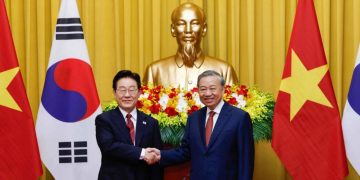
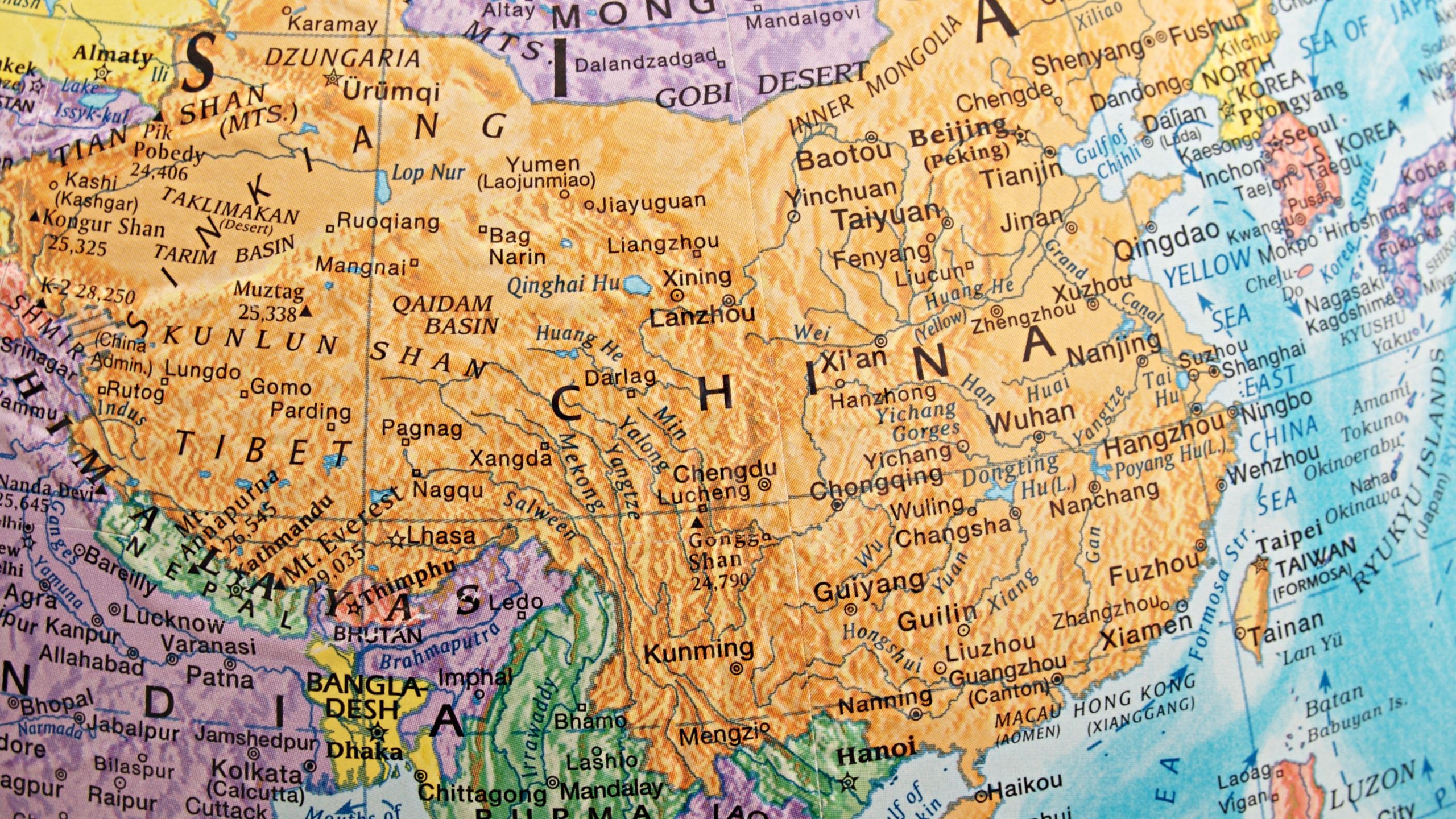
South Korean President Lee Jae Myung will travel to China this week for his first state visit since taking office in June, holding a summit with Chinese President Xi Jinping amid efforts by both sides to stabilise relations. The four-day visit, running from January 4 to 7, comes at a time of heightened regional uncertainty and ongoing economic competition between the two neighbours.

According to the presidential office, Lee will begin his trip in Beijing on Sunday before continuing to Shanghai. He will become the first sitting South Korean president to visit China since 2019. The visit follows a brief meeting between Lee and Xi on the sidelines of the Asia-Pacific Economic Cooperation (APEC) summit in Gyeongju in November, where both leaders signalled interest in reviving high-level dialogue.
Restoring Momentum in the Strategic Partnership
Seoul says the summit is aimed at rebuilding momentum in what both governments describe as a “strategic cooperative partnership.” A presidential spokesperson said Lee and Xi will seek to advance a “comprehensive restoration” of ties, reflecting a shift toward pragmatic engagement after several years of strained relations.
Discussions are expected to span economic and strategic issues, including supply chain stability, investment cooperation and the digital economy. The leaders are also likely to exchange views on the broader security environment in Northeast Asia, though officials said the final agenda is still being coordinated.
Beijing’s Response and Diplomatic Signals
China has publicly welcomed the visit. Chinese Foreign Ministry spokesperson Lin Jian said Xi personally invited Lee to Beijing, describing South Korea as an important neighbour and partner. He added that Beijing hopes the trip will play a positive role in advancing bilateral relations.
The visit includes a formal summit and state dinner in Beijing from Sunday to Tuesday, after which Lee will travel to Shanghai. South Korean officials said cooperation in areas such as climate and environmental policy, transnational crime, and trade and investment will be key themes, with the possibility of signing several agreements.
A Reset After Years of Strained Relations
Lee’s trip reflects his broader effort to recalibrate relations with China after tensions worsened under former president Yoon Suk Yeol. South Korea has long had to balance its relationship with China, its largest trading partner, and the United States, its principal security ally.
Ties with Beijing deteriorated sharply after Seoul deployed the U.S. THAAD missile defence system in 2016, prompting unofficial Chinese restrictions, including limits on South Korean cultural content. While many of those measures were never formally acknowledged, they continue to shape economic and cultural exchanges.
Security Concerns and the North Korea Factor
Although not officially confirmed, North Korea is expected to feature prominently in the talks. Pyongyang’s expanding nuclear programme and deepening military ties with Russia have heightened tensions on the Korean peninsula. Seoul hopes dialogue with Beijing can help reduce risks and, over time, reopen channels for engagement with North Korean leader Kim Jong-un.
Lee has signalled support for diplomacy aimed at easing inter-Korean tensions while maintaining close alignment with Washington on defence matters, underscoring the delicate balance Seoul continues to navigate.
Regional Diplomacy and Symbolic Outreach
The China visit also fits into a wider regional diplomatic push. Lee is expected to travel to Japan later this month, reinforcing his effort to maintain stability among Beijing, Tokyo and Washington without taking sides. Analysts say the sequencing of visits highlights Seoul’s attempt to manage competing relationships rather than shift alliances.
After Beijing, Lee will spend two days in Shanghai, where he plans to attend events marking key moments in Korea’s independence movement. These include commemorations linked to independence activist Kim Koo and the former headquarters of the Korean provisional government, adding a symbolic dimension to a trip that is as much about history and identity as it is about strategy and economics.