


President stresses urgency of dialogue as border tensions and military risks escalate
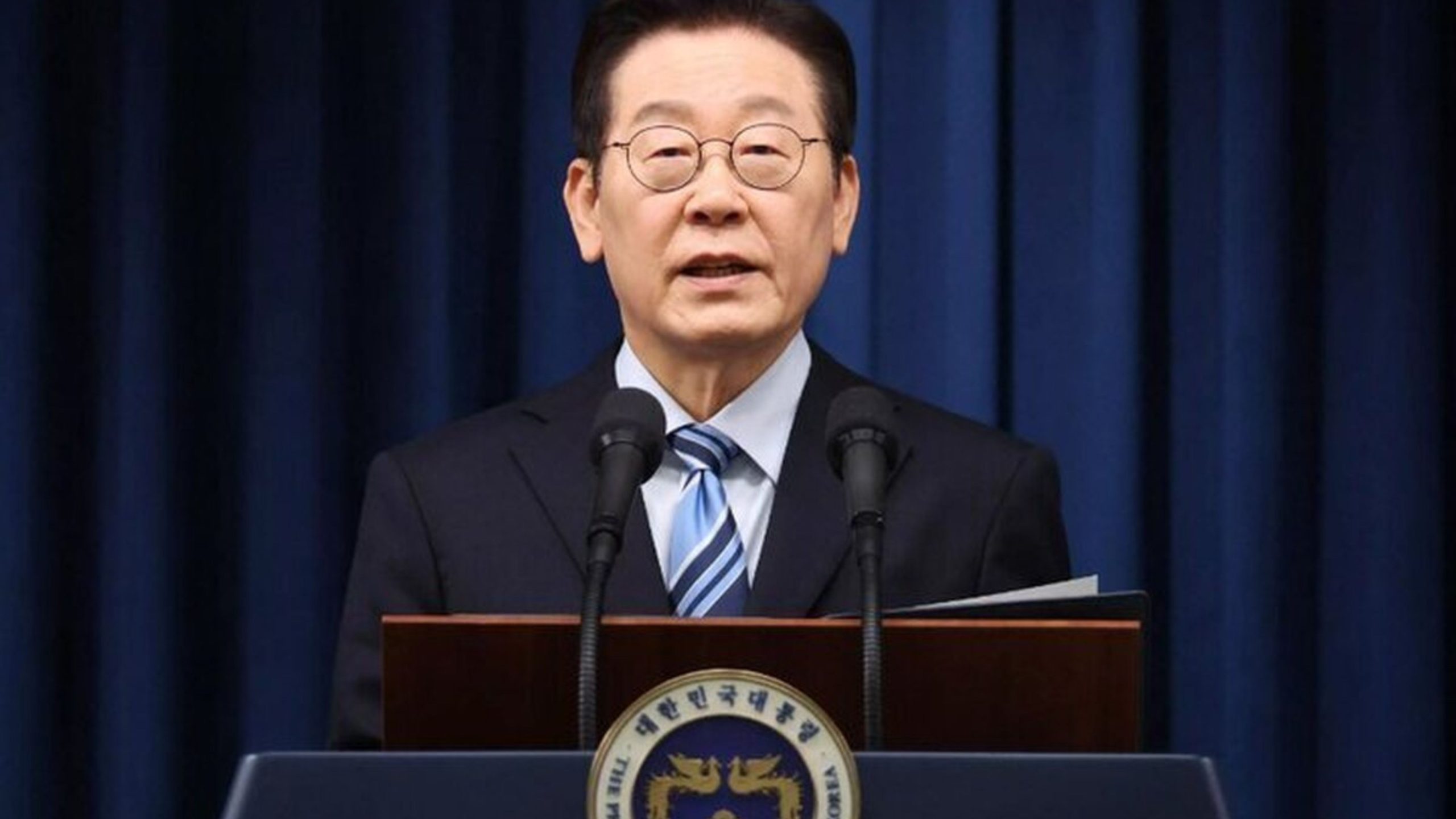
South Korean President Lee Jae-myung has warned that the Korean Peninsula is entering a “very dangerous situation,” with the possibility of an unintended clash with North Korea at any time. He highlighted the growing risk of miscalculation, noting that communication channels between the two Koreas have effectively collapsed and trust is at its lowest point in years. North Korea’s increasingly hostile rhetoric and actions, he said, have fuelled concerns of a potential crisis.

Since assuming office in June, President Lee has adopted a more conciliatory approach toward Pyongyang, offering to hold talks without any conditions — a shift from the more hardline policy of his conservative predecessor. However, North Korea has not responded to any of his proposals for dialogue.
Communication Breakdown and Diplomatic Push
Speaking to reporters while travelling from the G20 summit in South Africa to Turkey, Lee said inter-Korean relations have become “hostile and confrontational.” Despite the current atmosphere, he emphasised that Seoul remains open to dialogue, asking why South Korea engages with every other country but not with its closest neighbour. According to Lee, refusing contact only increases instability.
He argued that diplomacy should not be abandoned, especially when both sides share a tense border where “an accidental clash may occur at any moment.” Lee stressed that restoring communication is not a political choice but a security necessity.
Border Talks Proposed — But No Reply from Pyongyang
On November 17, the South Korean government suggested holding military talks with North Korea to define the boundary along the Military Demarcation Line (MDL) more precisely. The objective is to minimise confusion at the border and avoid small incidents from turning into serious confrontations. So far, Pyongyang has not replied to the proposal.
North Korean troops have reportedly crossed the border over 10 times this year, according to officials. In several cases, South Korean forces responded with warning shots as outlined in military procedures. The repeated incidents have heightened worries that even a minor miscommunication could lead to a sudden escalation.
Joint Military Drills and Regional Security
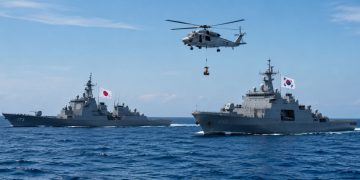
President Lee indicated that joint South Korea–U.S. military exercises could eventually be halted if a stable peace system is achieved on the peninsula. He described peace as a gradual process that could eventually lead to changes in the security framework. However, Pyongyang has long condemned the drills, describing them as rehearsals for an attack.
Approximately 28,500 U.S. troops and American weapons systems are currently stationed in South Korea. While their presence serves as a deterrent, it remains a central reason behind North Korea’s objections. Lee’s remarks suggest that any reduction in military exercises would depend on concrete progress in inter-Korean relations.
A Long Road Ahead
President Lee’s comments indicate that peace will not be immediate but must begin with reopening channels of communication and creating mechanisms to manage border incidents. His administration is pushing for dialogue, even without conditions, while maintaining defence readiness.
For now, the future of inter-Korean relations remains uncertain — but experts say that the current diplomatic approach could shape security dynamics on the peninsula for years to come.