



Leaders highlight security coordination, economic resilience, and pragmatic engagement despite historical sensitivities
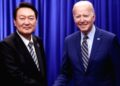
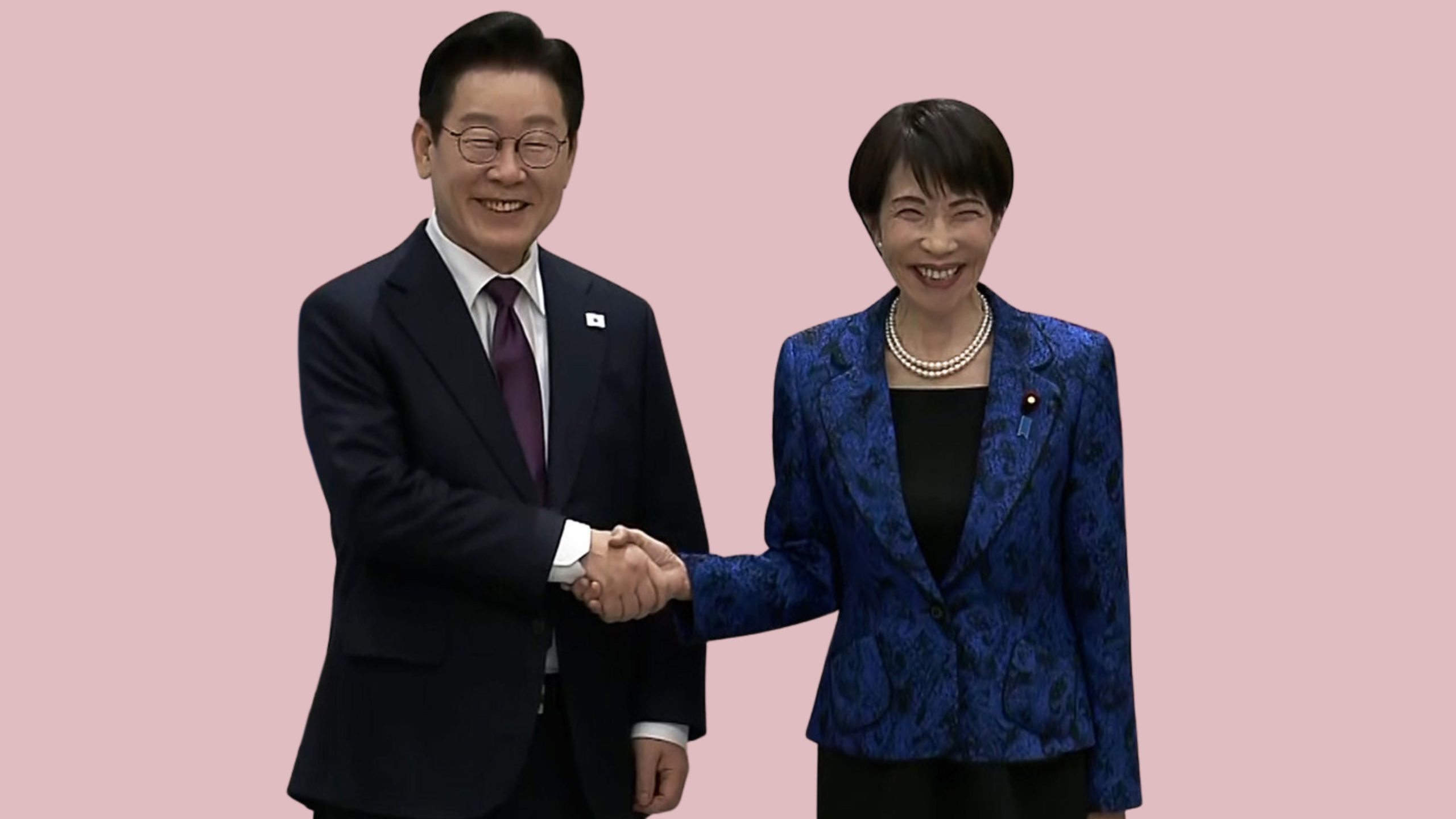
Japanese Prime Minister Sanae Takaichi and South Korean President Lee Jae Myung met in Nara Prefecture on Tuesday, agreeing to deepen bilateral cooperation and continue regular high-level exchanges under what both sides describe as “shuttle diplomacy.” The talks focused on economic security and regional stability, reflecting shared concerns over a volatile international environment. Lee arrived earlier in the day at Kansai International Airport, marking his first visit to Japan since August 2025.

The Nara summit was the second meeting between the two leaders, following their first encounter on the sidelines of the APEC summit in South Korea last October. Lee noted that 2025 marked the 60th anniversary of diplomatic normalization between Seoul and Tokyo, arguing that closer cooperation is increasingly necessary as geopolitical uncertainty grows. The meeting concluded on a lighter note, with the two leaders appearing together in a video released by the Japanese prime minister’s office, where they played drums to popular K-pop songs—an unusual but symbolic gesture aimed at underscoring improved ties.
The summit began around 2 p.m. with a small-group session, followed by a plenary meeting. Welcoming Lee to her hometown, Takaichi said the discussions reinforced her view that Japan and South Korea should work together to support regional stability while advancing their bilateral relationship. She expressed hope that Lee’s visit would provide momentum to further develop ties over the coming year.
Lee described Nara as a historic center of early exchanges between Japan and the Korean Peninsula, while acknowledging the difficult chapters that have shaped relations. He said that, six decades after normalization, cooperation between the two neighbors is “more important than anything else” in responding to a rapidly changing global order.
Security coordination and North Korea
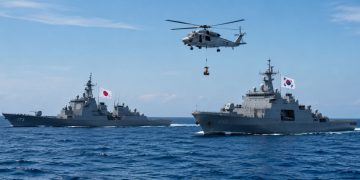
Security issues were a central part of the agenda. The two leaders confirmed that Tokyo and Seoul would work closely toward the complete denuclearization of North Korea and strengthen trilateral cooperation with the United States. At a joint news conference, Takaichi said the talks highlighted the importance of strategic coordination, including security cooperation and alignment with Washington, at a time of heightened regional tension.
Lee said stronger coordination between the two governments—supported by cooperation between their citizens—could help both countries move toward what he described as a “new future,” particularly as North Korea continues to advance its nuclear and missile capabilities.
Addressing history and unresolved issues
While the summit emphasized forward-looking cooperation, historical issues were not entirely absent. Both sides agreed to move ahead with cooperation on DNA testing of remains linked to a 1942 disaster at the Chosei undersea coal mine in Yamaguchi Prefecture. The accident killed at least 183 people, including victims from the Korean Peninsula, and has long been a sensitive issue in bilateral relations.
Takaichi said inviting Lee to Nara—the first time she has hosted a foreign leader in her hometown since becoming prime minister—was intended as a gesture of trust and goodwill, even as both governments remain cautious in handling historically charged topics.
Economic security and supply chains
Economic and economic security issues featured prominently in the discussions. Takaichi said the two governments agreed to advance talks among relevant ministries to strengthen cooperation in areas of shared strategic interest, particularly supply chains. Such coordination has gained urgency as countries across the region reassess economic dependencies and vulnerabilities.
Lee said the leaders reviewed a wide range of practical measures to sustain future-oriented cooperation under the framework of shuttle diplomacy, signaling an emphasis on continuity rather than one-off summits.
Balancing China, Japan, and the United States
The Nara meeting took place against the backdrop of rising tensions between Japan and China, particularly over Taiwan. Analysts say Tokyo is keen to emphasize the stability of trilateral ties with Seoul and Washington, while Seoul is seeking to balance relations with both Beijing and Tokyo.
Lee has said publicly that South Korea does not intend to interfere in disputes between China and Japan, describing such tensions as undesirable for regional peace. This balancing approach, observers note, could make it easier for Seoul and Tokyo to cooperate in business and technology sectors such as artificial intelligence, even as strategic competition intensifies in East Asia.
Although long-standing historical grievances remain an undercurrent in Japan–South Korea relations, analysts say the Nara summit was notable for its emphasis on security coordination, economic resilience, and managing shared regional challenges. Rather than reopening past disputes, both leaders appeared intent on stabilizing ties through regular engagement—suggesting that, at least for now, pragmatism is shaping the trajectory of bilateral relations.