
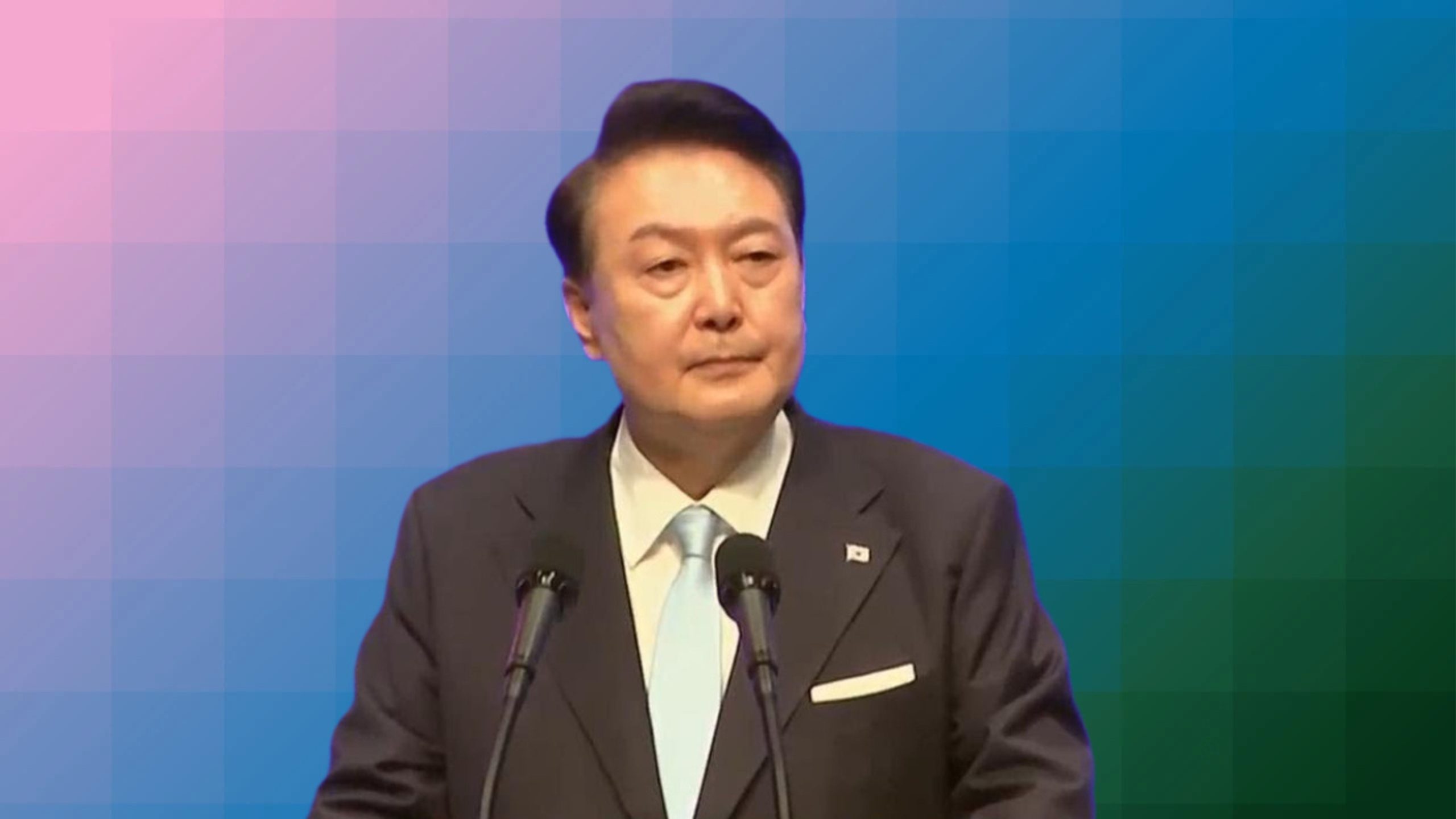
South Korea reflects on political trauma, ongoing trials, and deepening divisions following Yoon Suk Yeol’s aborted power grab
South Korea this week marked the first anniversary of former president Yoon Suk Yeol’s failed martial law attempt, an event that shook the country’s political system and raised global concerns about democratic backsliding. Speaking at a press briefing in Seoul, President Lee Jae-myung said the fallout from the unprecedented crisis “is not yet fully resolved,” emphasizing that accountability remains essential for long-term stability.

Lee praised ordinary citizens who mobilized overnight to defend the National Assembly when martial law was declared, calling their actions a powerful reminder of the country’s democratic resilience. Thousands gathered outside the parliament last year, helping lawmakers enter the chamber after troops surrounded the complex. Within six hours, legislators overturned the decree, halting the power grab.
Insurrection Charges and Ongoing Trials
The fallout from Yoon’s actions set off one of South Korea’s largest political investigations in years. He was impeached, forced out of office, and eventually taken into custody — marking the first instance of a sitting South Korean president being detained. Yoon is currently facing charges ranging from insurrection and abuse of authority to allegations that he tried to trigger tensions with North Korea as justification for declaring emergency rule.
Several high-ranking officials from his administration, including the former prime minister, defense minister, and senior military commanders, have also been indicted. Prosecutors allege that some officers helped carry out orders to deploy troops, block lawmakers, and prepare for mass detentions. Verdicts for key figures are expected in early 2026, leaving the political future of dozens of defendants uncertain.
Institutional Reforms in Response to the Crisis
In the aftermath of the attempted coup, the National Assembly passed a set of legal and structural reforms to prevent similar abuses of power. New rules restrict the president’s ability to declare martial law and prohibit military or police from entering parliamentary grounds without explicit approval from the Speaker. Lawmakers have also proposed giving civil servants and military personnel the right to refuse unlawful orders.
President Lee’s administration launched a governmentwide investigation into officials who cooperated with the martial law directive, reviewing the conduct of more than 700,000 civil servants. The broad scope of the probe has sparked debate over privacy, due process, and the limits of post-crisis accountability.
A Nation Still Divided
Despite official reforms, the political landscape remains fractured. Some members of Yoon’s conservative People Power Party (PPP) apologized for failing to block the martial law order, while others defended Yoon, arguing that he acted out of national security concerns. Public surveys show worsening polarization, with 77% of respondents saying political divisions have deepened since the crisis.
Researchers warn that the martial law attempt has entrenched ideological distrust. Radical pro-Yoon groups have staged disruptive rallies, including storming a courthouse earlier this year after a judge approved Yoon’s arrest warrant. Conspiracy theories—such as claims of “stolen elections” and anti-China narratives—continue to circulate among far-right supporters.
Public Memory and Democratic Symbolism
The anniversary has become a moment of national reflection. Pro-democracy groups prepared large vigils across Seoul, using the same K-pop-style lightsticks that symbolized peaceful resistance last year. Meanwhile, Yoon loyalists held counter-rallies near parliament, waving Korean and U.S. flags and insisting his martial law attempt was justified.
President Lee described the citizen mobilization as a “self-coup overturned by the people,” saying the episode should be remembered as a global example of nonviolent democratic defense. He proposed designating December 3 as ‘National Sovereignty Day’ and suggested the people’s movement deserved recognition on the international stage.
Healing, Reconciliation, and the Path Forward
Lee has called for unity while maintaining that justice cannot be compromised. “Unity does not mean sweeping things under the rug,” he said, arguing that meaningful reconciliation requires confronting the wrongdoing directly. Analysts caution that bridging the political divide will require sustained institutional reform, transparent trials, and efforts to rebuild public trust.
The emotional scars of the martial law crisis remain visible, and many fear that deeper polarization could undermine future governance. Yet the peaceful resistance of citizens and the swift parliamentary response continue to be viewed as a rare example of democratic endurance at a moment of crisis.