• Home
  • Politics
  • Society
KoreaToday
  • Home
  • Politics
    The ‘Jang Bogo N’ Project: Inside South Korea’s Push for Nuclear Submarines and Defense Autonomy

    The ‘Jang Bogo N’ Project: Inside South Korea’s Push for Nuclear Submarines and Defense Autonomy

    Seoul, Tokyo Expand Defense Cooperation with First Joint Search-and-Rescue Drill in Nine Years

    Seoul, Tokyo Expand Defense Cooperation with First Joint Search-and-Rescue Drill in Nine Years

    AI Windfall vs. Labor Rights: President Lee and ILO Chief Tackle the Future of Work

    AI Windfall vs. Labor Rights: President Lee and ILO Chief Tackle the Future of Work

    South Korea’s Lee Clarifies AI Dividend Remarks Amid Debate Over Sharing Tech Wealth

    South Korea’s Lee Clarifies AI Dividend Remarks Amid Debate Over Sharing Tech Wealth

    Seoul and Hanoi Deepen Economic Alignment with Wave of New Deals

    Seoul and Hanoi Deepen Economic Alignment with Wave of New Deals

    Gaza War Discourse Draws South Korea Into Diplomatic Friction with Israel

    Gaza War Discourse Draws South Korea Into Diplomatic Friction with Israel

  • Society
No Result
View All Result
  • Home
  • Politics
    The ‘Jang Bogo N’ Project: Inside South Korea’s Push for Nuclear Submarines and Defense Autonomy

    The ‘Jang Bogo N’ Project: Inside South Korea’s Push for Nuclear Submarines and Defense Autonomy

    Seoul, Tokyo Expand Defense Cooperation with First Joint Search-and-Rescue Drill in Nine Years

    Seoul, Tokyo Expand Defense Cooperation with First Joint Search-and-Rescue Drill in Nine Years

    AI Windfall vs. Labor Rights: President Lee and ILO Chief Tackle the Future of Work

    AI Windfall vs. Labor Rights: President Lee and ILO Chief Tackle the Future of Work

    South Korea’s Lee Clarifies AI Dividend Remarks Amid Debate Over Sharing Tech Wealth

    South Korea’s Lee Clarifies AI Dividend Remarks Amid Debate Over Sharing Tech Wealth

    Seoul and Hanoi Deepen Economic Alignment with Wave of New Deals

    Seoul and Hanoi Deepen Economic Alignment with Wave of New Deals

    Gaza War Discourse Draws South Korea Into Diplomatic Friction with Israel

    Gaza War Discourse Draws South Korea Into Diplomatic Friction with Israel

  • Society
No Result
View All Result
KoreaToday
No Result
View All Result
Home Politics

South Korean President Lee, Japan’s Takaichi Hold First Summit, Pledge “Future-Oriented Cooperation”

Yehwon by Yehwon
October 31, 2025
in Politics, South Korean President
0
South Korean President Lee, Japan’s Takaichi Hold First Summit, Pledge “Future-Oriented Cooperation”
0
SHARES
16
VIEWS
Share on FacebookShare on Twitter


Meeting in Gyeongju marks the first talks between the two leaders as Seoul and Tokyo seek to balance historical sensitivities with regional cooperation


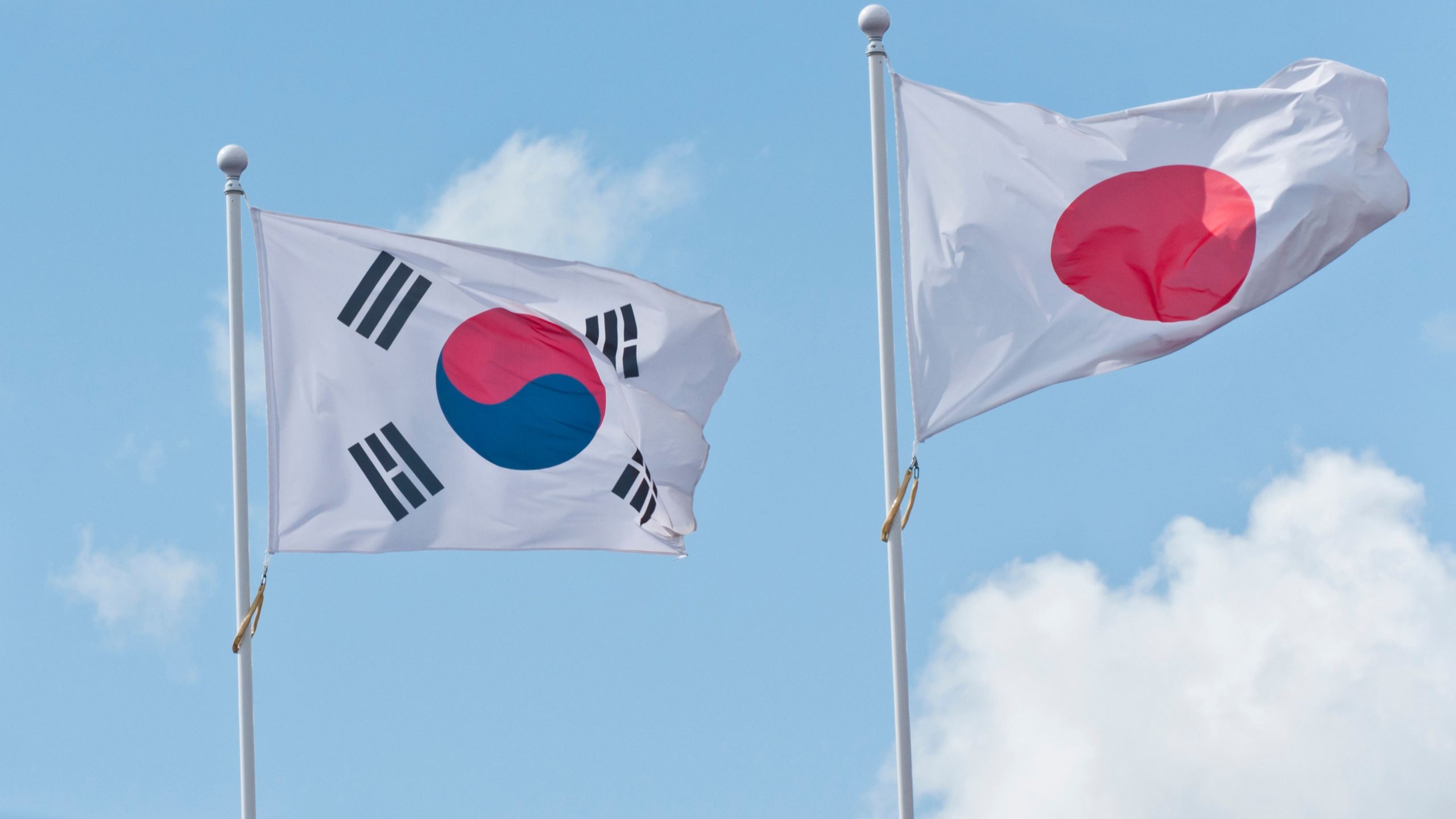
South Korean President Lee Jae Myung met with Japanese Prime Minister Sanae Takaichi on Thursday in Gyeongju, marking their first summit since Takaichi became Japan’s first female leader. The 40-minute meeting, held on the sidelines of the Asia-Pacific Economic Cooperation (APEC) Summit, focused on ways to strengthen bilateral cooperation and build stable, forward-looking ties between the two nations.

Both leaders underlined the importance of building upon the 60 years of diplomatic normalization since 1965. President Lee emphasized that the current regional and economic challenges demand deeper collaboration between Seoul and Tokyo, while Prime Minister Takaichi said that a “future-oriented relationship” would be mutually beneficial, particularly as both countries navigate shared concerns such as trade and security.

Lee Calls for “Future-Oriented” Cooperation

During the meeting, President Lee highlighted that South Korea and Japan, as close neighbors with shared values and intertwined economies, must strengthen cooperation amid global uncertainty. “If Seoul and Tokyo share their experiences and work together, they can address not only bilateral but also broader international challenges,” Lee said.

Prime Minister Takaichi echoed his comments, noting that while the two countries have differences “precisely because we are neighbors,” both leaders agreed to exercise restraint and demonstrate leadership to ensure a stable and constructive relationship.

Lee’s Pragmatic Approach to Japan Relations

Since taking office in June, President Lee has worked to dispel concerns that his administration might take a confrontational stance toward Japan. His past criticisms of Japan’s handling of historical disputes, as well as his predecessor’s pro-Tokyo policies, had fueled speculation of renewed tensions. However, Lee’s recent diplomatic gestures suggest a more pragmatic approach focused on stability and cooperation.

Earlier this year, Lee held three meetings with former Japanese Prime Minister Ishiba Shigeru within four months, signaling his willingness to revive “shuttle diplomacy” — a concept both nations endorsed to maintain regular high-level exchanges. Ishiba’s moderate stance on historical issues allowed Lee to push forward with dialogue aimed at easing long-standing friction between Seoul and Tokyo.

Takaichi’s Moderate Tone Eases Early Concerns

Prime Minister Takaichi’s election initially triggered unease in South Korea due to her conservative background and past visits to the controversial Yasukuni Shrine, which honors Japan’s war dead, including convicted war criminals. However, since assuming office, she has taken a softer tone — sending symbolic offerings instead of visiting the shrine in person — and has publicly expressed a desire to stabilize ties with Seoul.

In her meeting with Lee, Takaichi said she was confident that building a “future-oriented and stable” relationship would benefit both countries. Her comments were viewed as a signal of continuity with the diplomatic progress achieved under her predecessor Ishiba, who had established a functional working relationship with Lee.

Focus on Cooperation, Not History

The meeting, held on the sidelines of the APEC Summit, served as an introductory dialogue rather than a negotiation session. No joint statement was issued, and both leaders avoided sensitive historical issues that have often strained bilateral relations. Instead, the discussions centered on trade, technology cooperation, and regional stability — areas where both sides see potential for pragmatic collaboration.

According to the South Korean presidential office, both leaders reaffirmed the importance of trilateral cooperation with the United States, especially in addressing North Korea’s growing missile threat and ensuring peace in the Indo-Pacific region.

Symbolic Gestures and Cultural Diplomacy

At the meeting, President Lee presented Prime Minister Takaichi with Korean seaweed and cosmetics — a symbolic gesture of goodwill. The exchange followed Takaichi’s previous remarks that she enjoys Korean dramas and uses South Korean beauty products. Such cultural diplomacy, analysts noted, plays an important role in softening public perception and rebuilding mutual trust at a personal level.

Challenges Ahead for Both Leaders

Despite the cordial atmosphere, observers caution that deepening ties will require patience. Takaichi faces political constraints at home, particularly from conservative factions that expect her to maintain a strong nationalist stance. Lee, meanwhile, must balance his diplomatic outreach with domestic expectations for accountability over unresolved historical grievances from Japan’s colonial rule.

As South Korea prepares for high-profile diplomatic engagements with both U.S. President Donald Trump and Chinese President Xi Jinping during the APEC Summit, President Lee’s meeting with Prime Minister Takaichi represents an early test of his leadership in managing regional diplomacy. For both leaders, the challenge now lies in translating cordial words into lasting progress, maintaining stability in a region where historical tensions and geopolitical rivalries remain deeply intertwined.

Tags: PoliticsSouth Korean President
Previous Post

President Lee Heads to Malaysia for ASEAN Summit, Aims to Deepen Regional Cooperation

Next Post

South Korea’s Supreme Court Upholds 14-Year Sentence in 16-Year-Old Rooftop Murder Case

Yehwon

Yehwon

Yehwon is a versatile writer with a passion for all things about South Korea.

Next Post
South Korea’s Supreme Court Upholds 14-Year Sentence in 16-Year-Old Rooftop Murder Case

South Korea’s Supreme Court Upholds 14-Year Sentence in 16-Year-Old Rooftop Murder Case

Leave a Reply Cancel reply

Your email address will not be published. Required fields are marked *

Stay Connected

  • 24k Followers
  • 99 Subscribers
  • Trending
  • Comments
  • Latest
South Korea’s Low Birth Rate Sparks National Emergency Declaration by Yoon

South Korea’s Low Birth Rate Sparks National Emergency Declaration by Yoon

June 19, 2024
Singapore and South Korea Expand Bilateral Cooperation with AI, Defense, and Trade Initiatives

Singapore and South Korea Expand Bilateral Cooperation with AI, Defense, and Trade Initiatives

October 9, 2024
President Yoon Suk Yeol Unveils Bold Housing Reforms to Tackle Supply Shortage

President Yoon Suk Yeol Unveils Bold Housing Reforms to Tackle Supply Shortage

January 17, 2024
President Yoon Seok-yeol Proposed Higher Education Reforms South Korea Universities

Yoon Seok-yeol’s Proposed Higher Education Reforms: Are They Enough to Make Meaningful Changes or Just Lip Service?

July 29, 2023
President Yoon Seok-yeol Proposed Higher Education Reforms South Korea Universities

Yoon Seok-yeol’s Proposed Higher Education Reforms: Are They Enough to Make Meaningful Changes or Just Lip Service?

0
china and south korea diplomatic relations dispute

The Diplomatic Dispute between China and South Korea has Unfolded in Unique Circumstances

0
South Korean President Yoon Seok-yeol To Join Biden and Kishida at Camp David Summit

South Korean President Yoon Seok-yeol To Join Biden and Kishida at Camp David Summit

0
South Korea Joins Global Partners for Ukraine’s Peace and Reconstruction

South Korea Joins Global Partners for Ukraine’s Peace and Reconstruction

0
The ‘Jang Bogo N’ Project: Inside South Korea’s Push for Nuclear Submarines and Defense Autonomy

The ‘Jang Bogo N’ Project: Inside South Korea’s Push for Nuclear Submarines and Defense Autonomy

June 1, 2026
Seoul, Tokyo Expand Defense Cooperation with First Joint Search-and-Rescue Drill in Nine Years

Seoul, Tokyo Expand Defense Cooperation with First Joint Search-and-Rescue Drill in Nine Years

May 31, 2026
AI Windfall vs. Labor Rights: President Lee and ILO Chief Tackle the Future of Work

AI Windfall vs. Labor Rights: President Lee and ILO Chief Tackle the Future of Work

May 31, 2026
South Korea’s Lee Clarifies AI Dividend Remarks Amid Debate Over Sharing Tech Wealth

South Korea’s Lee Clarifies AI Dividend Remarks Amid Debate Over Sharing Tech Wealth

May 31, 2026

Recent News

The ‘Jang Bogo N’ Project: Inside South Korea’s Push for Nuclear Submarines and Defense Autonomy

The ‘Jang Bogo N’ Project: Inside South Korea’s Push for Nuclear Submarines and Defense Autonomy

June 1, 2026
Seoul, Tokyo Expand Defense Cooperation with First Joint Search-and-Rescue Drill in Nine Years

Seoul, Tokyo Expand Defense Cooperation with First Joint Search-and-Rescue Drill in Nine Years

May 31, 2026
AI Windfall vs. Labor Rights: President Lee and ILO Chief Tackle the Future of Work

AI Windfall vs. Labor Rights: President Lee and ILO Chief Tackle the Future of Work

May 31, 2026
South Korea’s Lee Clarifies AI Dividend Remarks Amid Debate Over Sharing Tech Wealth

South Korea’s Lee Clarifies AI Dividend Remarks Amid Debate Over Sharing Tech Wealth

May 31, 2026
  • Home

No Result
View All Result
  • Home
  • Politics
  • Society