






The brutal classroom murder reignites debate over mental health monitoring and safety protocols in South Korean schools.
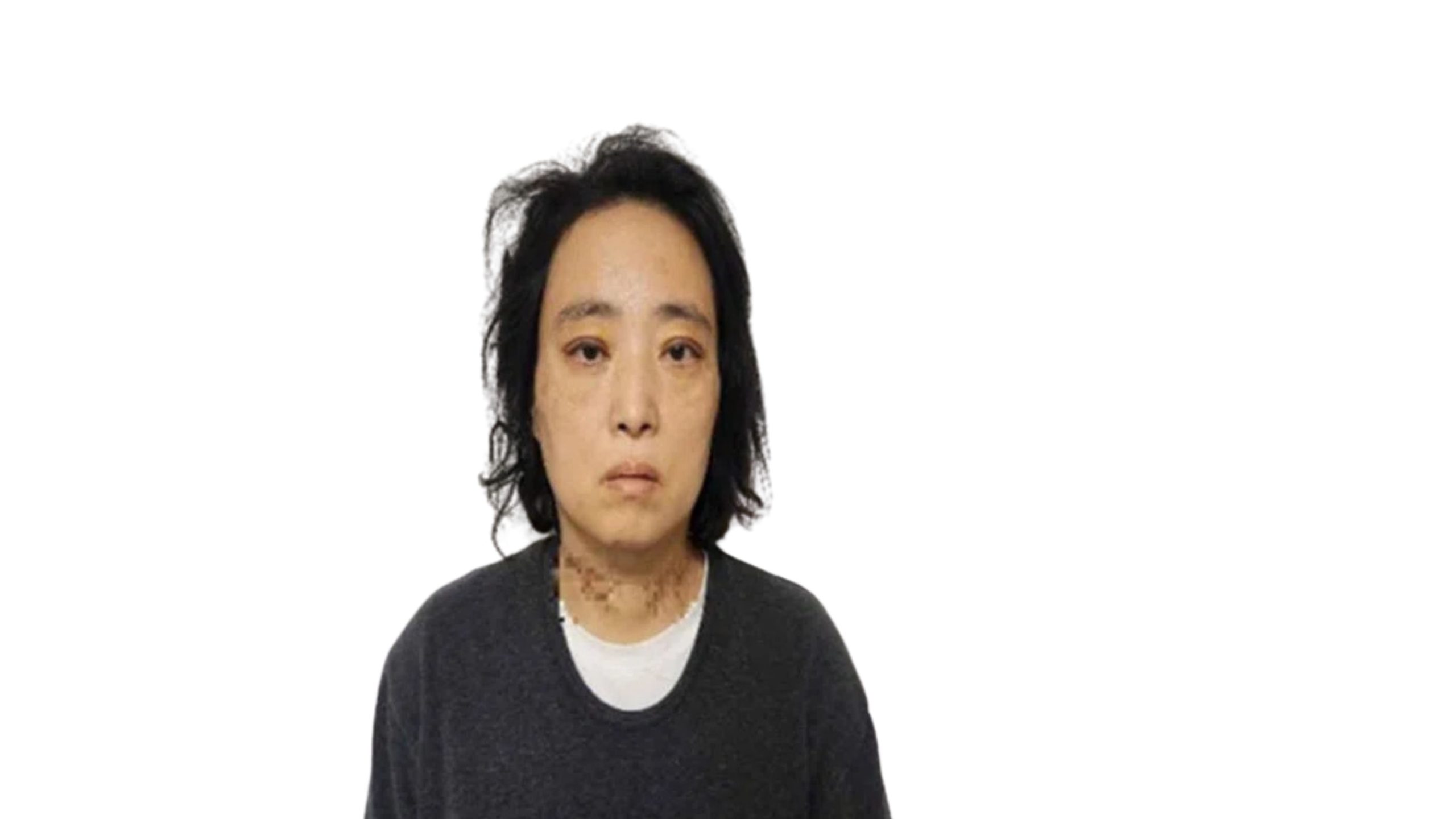
A South Korean court has sentenced a former elementary school teacher to life imprisonment for the murder of her eight-year-old student, a case that has deeply unsettled the nation and sparked calls for stronger safeguards in schools. The Daejeon District Court on October 20 convicted 48-year-old Myeong Jae-wan of fatally stabbing her student, Kim Ha-neul, inside a classroom on February 10.

Prosecutors had sought the death penalty, citing the brutality of the act, but the court instead imposed a life sentence and ordered Myeong to wear an electronic tracking device for 30 years following her release. The ruling closed one of South Korea’s most disturbing criminal cases in recent years, involving a crime committed within a place meant to protect children.
The Attack Inside a “Safe” Space
According to the court’s findings, Myeong lured the young girl into an audiovisual room after school hours under the pretense of giving her a book. Around 5 p.m., when most teachers and students had already left, she fatally stabbed the child with a knife she had brought from home.
The crime came to light only after the girl’s parents reported her missing when she did not return home. Police found the victim’s body inside the school. During questioning, Myeong admitted to the killing.
In delivering the verdict, the court called the crime “inhumane” and said it had “violated not only the law but also the basic trust society places in educators.” The judge remarked, “The pain and fear felt by the seven-year-old victim, who was murdered in what should have been the safest place, and the grief of her family are beyond what the court can measure.”
Death Penalty Rejected on Mental Health Grounds
Prosecutors argued for capital punishment, calling the murder “exceptionally brutal” and noting Myeong’s apparent lack of remorse during the investigation. The victim’s parents had also pleaded for the death penalty, describing the loss as irreparable.
However, the court opted for life imprisonment, citing the defendant’s mental condition at the time of the offense. The judge stated that although there was a “high risk of reoffending,” Myeong’s psychological instability made it difficult to conclude that execution was necessary.
Warning Signs Ignored
Investigators revealed that Myeong had shown troubling behavior in the days before the attack. She reportedly damaged school property and assaulted a colleague, prompting an internal inquiry by the school administration. Despite these warning signs, she was not removed from her position.
Prosecutors described the murder as driven by “abnormal motives,” arguing that Myeong attempted to release personal frustration and anger by targeting someone weaker. Her outburst, they said, reflected deeper emotional instability that had been overlooked by the school system.
Mental Health and Accountability
Court records showed that Myeong had requested a six-month leave of absence before the incident, citing depression. A doctor later declared her fit to work, and she returned to school after a short break. During the trial, a psychiatric evaluation confirmed that she was in a weakened mental state but did not suffer from a condition severe enough to excuse her actions.
In her closing remarks to the court, Myeong expressed remorse to the victim’s family, acknowledging that her actions had violated the safety and trust expected of a teacher. She admitted that her judgment had been impaired while undergoing mental health treatment and said she would carry the weight of her wrongdoing for the rest of her life. However, the court rejected her plea for leniency, concluding that the deliberate preparation of the weapon and the circumstances of the attack indicated that the murder had been planned in advance.
Broader Impact: A Wake-Up Call for the Education System
The Daejeon case has triggered widespread debate about teacher screening, psychological evaluations, and safety protocols in South Korean schools. Critics have questioned how a teacher exhibiting clear signs of emotional instability was allowed continued access to students.
In response, the Ministry of Education has announced plans to strengthen mental health monitoring and intervention systems for teachers. Proposed measures include regular psychological assessments, confidential reporting channels for colleagues, and crisis response training in schools.
A Broader Reflection on Safety and Trust
The murder of Kim Ha-neul has become a painful symbol of the vulnerabilities within South Korea’s education system—where mental health challenges among teachers, heavy workloads, and limited institutional oversight can converge with tragic consequences.
As the nation mourns the loss of a child whose life ended in a place meant for learning and protection, questions remain about how institutions can rebuild public trust. The Daejeon case serves as a stark reminder that safety in schools depends not only on security measures but also on understanding—and addressing—the psychological well-being of those entrusted with children’s care.