


Seoul court proceeds without Yoon as questions grow over his repeated absences and ongoing legal battles
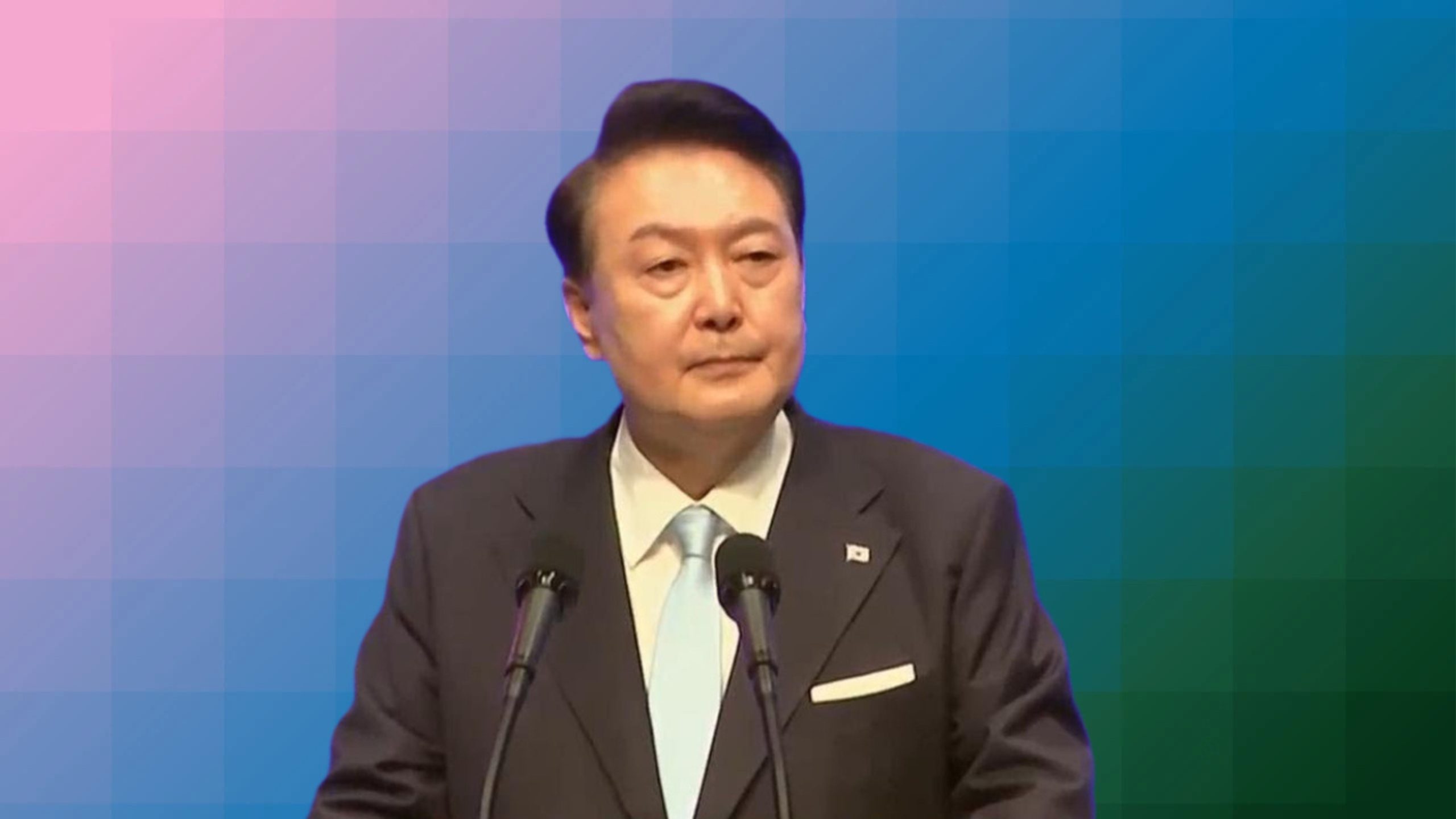
Former South Korean President Yoon Suk Yeol once again failed to appear in court on Friday for a hearing related to his ongoing trial over the alleged abuse of presidential power during the declaration of martial law. The session, held at the Seoul Central District Court, continued without his presence—marking his second absence since attending the opening hearing last month, which was legally mandatory.

Prosecutors accuse Yoon of obstructing official duties and misusing executive authority during the martial law declaration issued on December 3, 2024. His continued nonappearance has drawn public attention, raising broader questions about political accountability and the pace of proceedings in one of South Korea’s most closely watched trials.
Court Rejects Health Excuse, Proceeds Without Defendant
The court stated that Yoon cited health reasons for missing the latest hearing. However, the bench rejected this explanation as unjustified and ruled that the trial would proceed without him. Officials from the Seoul Detention Center, where Yoon is currently held, informed the court that it would be difficult to forcibly escort him to the hearing, leading the bench to continue proceedings in his absence.
According to court officials, the decision reflects an effort to prevent further delays in a case already marked by procedural complications and repeated postponements.
Charges Center on Martial Law and Abuse of Power
Yoon faces multiple charges, including violating the rights of Cabinet members, unlawfully revising the martial law proclamation, and obstructing his own detention earlier this year. Prosecutors allege that he attempted to modify the martial law order’s terms to consolidate authority and interfered with law enforcement agencies during subsequent investigations.
The former president is also standing trial separately on charges of leading an insurrection through the same martial law declaration. He has not attended any hearings in that case since his second arrest in July, maintaining that health issues prevent him from participating.
Voluntary Appearance Before Special Counsel
Despite his absences from court, Yoon appeared voluntarily before the special counsel team on October 15, just hours before investigators were scheduled to execute a warrant to compel his attendance. Assistant Special Counsel Park Ji-young said the court had issued a detention warrant on October 1, and prison authorities had prepared to carry it out the following week.
According to Park, Yoon’s voluntary appearance led to the cancellation of the forced transfer. During questioning, investigators focused on his role in the martial law declaration and alleged obstruction of justice during subsequent inquiries.
Pattern of Defiance and Political Implications
Before his October 15 appearance, Yoon had ignored several summonses from investigators examining allegations involving him and his wife, Kim Keon Hee. His pattern of noncompliance since his second detention in July has fueled debate over how the judiciary should handle former leaders accused of misconduct.
Analysts note that Yoon’s repeated refusals to attend court hearings have placed both the judiciary and the prosecution under pressure to balance due process with the need for judicial consistency. His absence also underscores the lingering tension between executive privilege and judicial accountability in South Korea’s evolving political landscape.
Court Signals No Further Delays
The Seoul Central District Court emphasized that it found no legitimate medical reason preventing Yoon’s participation and confirmed that the hearings would not be postponed further. Yoon attended only the opening session of his new trial on September 26, fulfilling the legal requirement, but has since missed two consecutive hearings.
Both ongoing trials—one concerning the alleged misuse of martial law powers and the other focusing on charges of insurrection—continue to test South Korea’s democratic institutions. The proceedings are being closely monitored as a measure of how the nation’s legal system handles accusations of overreach by its highest elected officeholders.
Broader Context: Accountability and Political Precedent
Yoon’s trials add to a growing list of legal cases involving former South Korean presidents, reflecting the country’s ongoing struggle to maintain a balance between political leadership and institutional oversight. His absence from court not only delays judicial proceedings but also amplifies public debate about the limits of executive authority.
Legal experts say the outcome of Yoon’s case will likely shape future interpretations of presidential immunity and set a precedent for how the judiciary manages cases involving state power and constitutional breaches. As the trials progress, the focus remains on whether accountability can be upheld without deepening political divisions.