




South Korea and Japan reaffirm cooperation on security, economic, and social challenges amid regional uncertainties
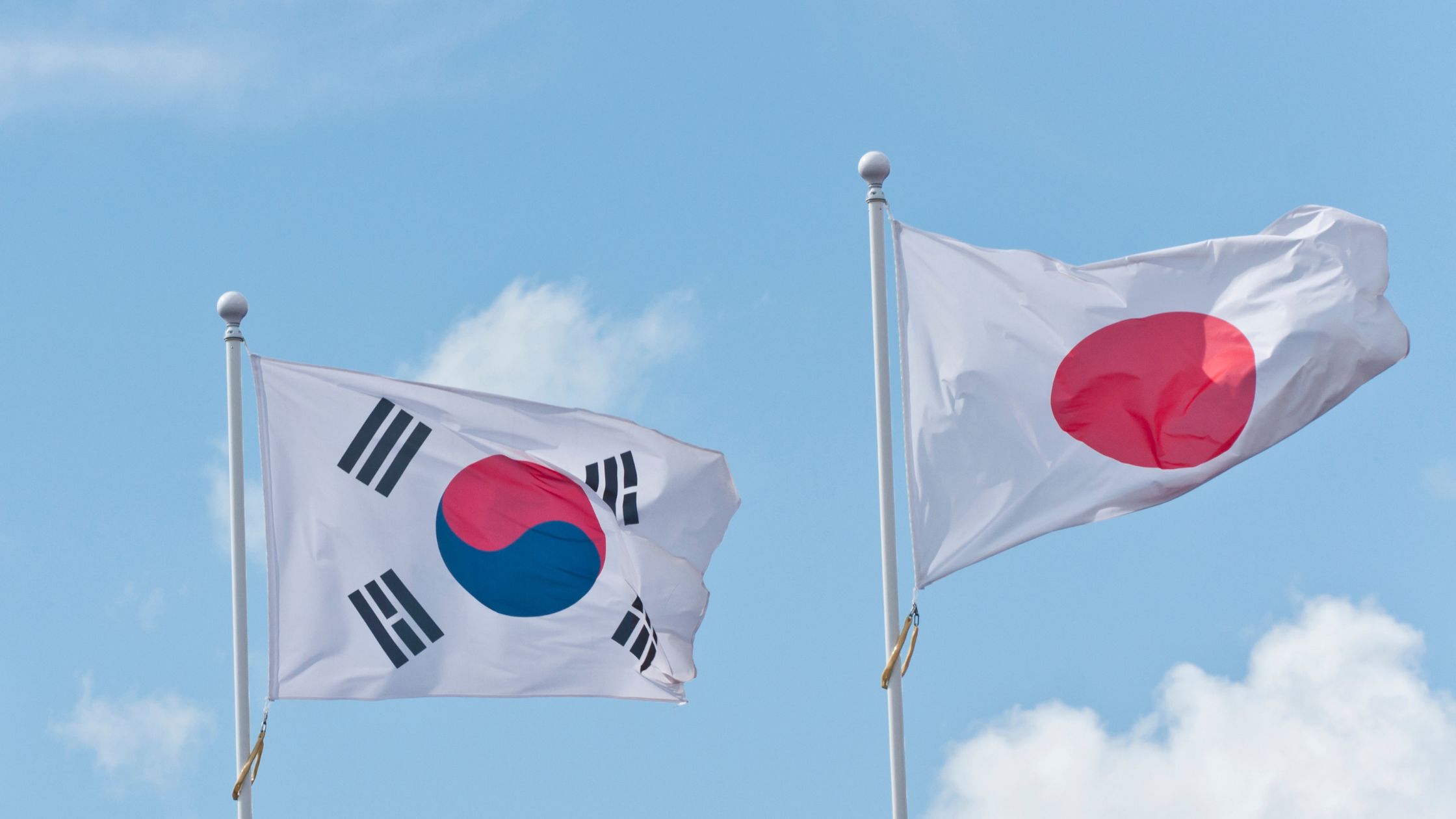
On September 30, South Korean President Lee Jae-myung welcomed outgoing Japanese Prime Minister Shigeru Ishiba in Busan, marking the first visit by a Japanese leader to a South Korean city beyond Seoul in over two decades. The summit highlighted the need to strengthen bilateral relations amid rising regional security challenges, including North Korea’s growing assertiveness and the shifting dynamics of the China-North Korea-Russia alliance.

The meeting came shortly after President Lee’s trip to Tokyo, during which he suggested holding future bilateral discussions outside the South Korean capital. The decision to convene in Busan was widely interpreted as a gesture toward diversifying diplomatic engagement beyond traditional venues and emphasizing South Korea’s regional cities as key hubs for international dialogue.
Shuttle Diplomacy and Strategic Cooperation
Describing the summit as a model of “shuttle diplomacy,” President Lee highlighted the potential for the two neighbors to deepen collaboration across social, cultural, economic, and security spheres. He stressed that active exchanges could foster joint development and strengthen mutual trust, signaling a pragmatic approach to overcoming historical and political differences.
Prime Minister Ishiba echoed Lee’s remarks, emphasizing that frequent high-level interactions are essential to producing tangible diplomatic outcomes. Ishiba described concluding his tenure as prime minister with a summit in Busan as particularly meaningful, noting the symbolic importance of leaving office while reinforcing strong South Korea-Japan relations.
Tackling Shared Social Challenges
During the talks, the leaders agreed to create a consultative body to address pressing social issues affecting both countries, including low birth rates, aging populations, balanced regional development, agriculture, disaster management, and suicide prevention. Analysts suggested that this mechanism is part of a broader strategy to institutionalize bilateral engagement, providing a structured platform to manage cooperation and preempt potential tensions.
In addition, both Lee and Ishiba reaffirmed their commitment to the complete denuclearization of the Korean Peninsula, despite North Korea’s continued insistence on retaining its nuclear arsenal. Lee called for Japan’s support in easing regional tensions and building trust on the peninsula, highlighting the interconnected nature of security and diplomacy in East Asia.
Economic and Trade Coordination
Economic cooperation was another key pillar of the summit. Japan recently concluded a trade deal with the United States, while South Korea negotiates a parallel framework. Both leaders emphasized the importance of coordinated efforts to safeguard economic interests amid global trade shifts, including potential U.S. tariffs and investment obligations. Seoul and Tokyo’s joint focus on economic alignment reflects the broader goal of maintaining regional stability through integrated trade and investment strategies.
Symbolism and Future Diplomatic Challenges
The summit also carried symbolic weight. Ishiba visited the grave of Lee Soo-hyun, a South Korean student known for his heroic act in saving a Japanese man, highlighting the shared history and people-to-people connections between the two countries.
Looking ahead, analysts note that Ishiba’s departure could introduce new diplomatic challenges. His successor may adopt a more hawkish stance on historical issues, particularly Japan’s colonial legacy and wartime accountability, potentially complicating Seoul’s efforts to maintain a stable, forward-looking relationship with Tokyo.