

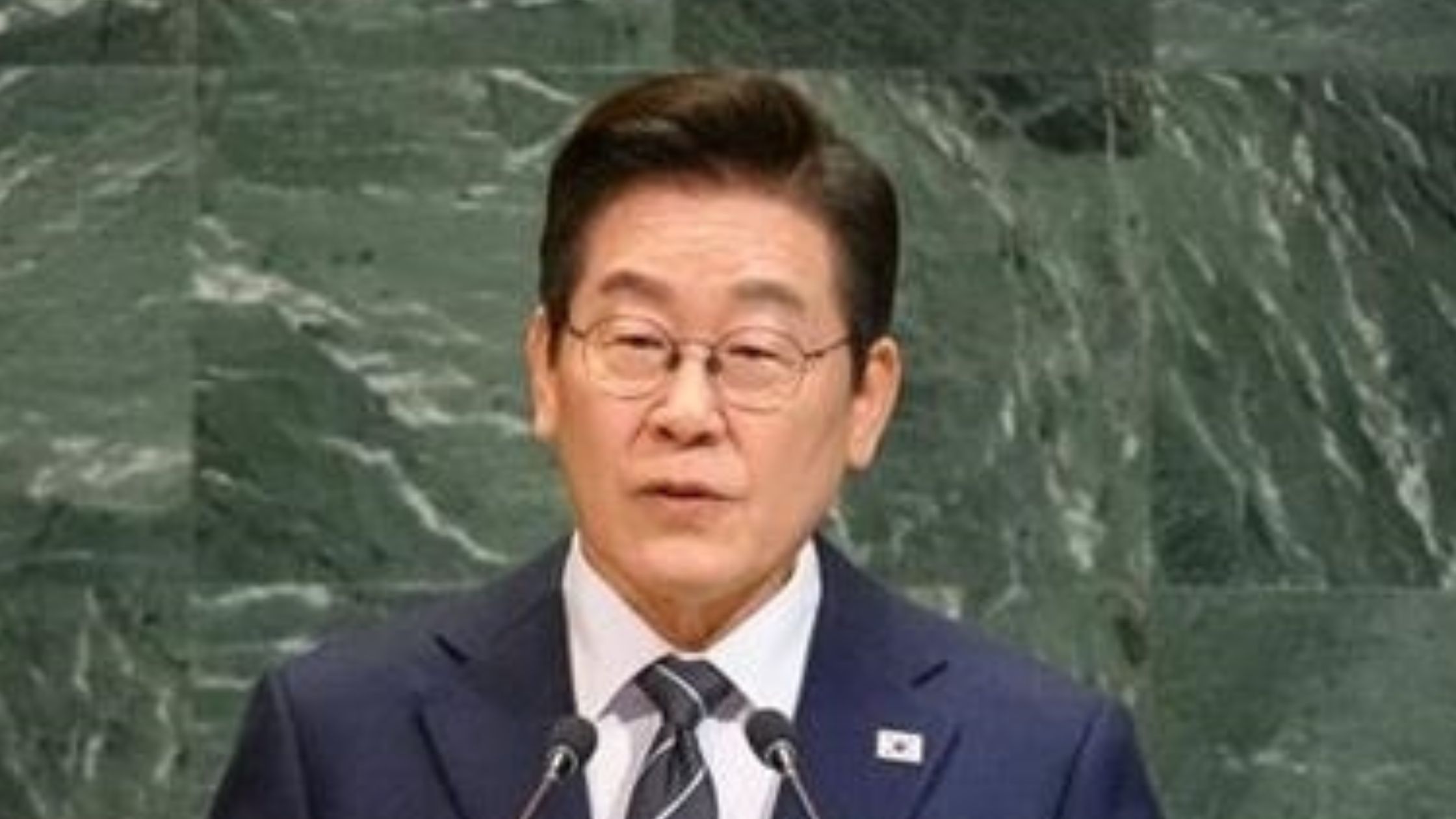
South Korean President emphasizes pragmatic diplomacy, gradual denuclearization, and international cooperation to stabilize the Korean Peninsula
On September 23, South Korean President Lee Jae-myung presented his vision for lasting peace on the Korean Peninsula during the 80th United Nations General Assembly in New York. Highlighting a pragmatic approach, Lee reaffirmed that Seoul respects North Korea’s current system, has no intention of pursuing unification by absorption, and will refrain from hostile actions. He stressed that these principles aim to break the ongoing cycle of military tensions and confrontations between the two Koreas.

Lee emphasized that inter-Korean economic exchanges and cooperative initiatives are essential to achieving sustainable peace. “By gradually expanding inter-Korean exchanges and cooperation, we will pave the way for sustainable peace on the Korean Peninsula,” he said, underlining that dialogue and normalization of relations remain key pathways toward long-term stability.
Learning from Past Tensions
During his presidential campaign, Lee repeatedly highlighted that provocative measures against North Korea only entrench conflict. He criticized former President Yoon Suk-yeol for escalating tensions with Pyongyang, particularly through actions that justified his controversial attempt to impose martial law. “Going forward, the Government of the Republic of Korea will consistently seek a path to reduce military tensions and restore inter-Korean trust,” Lee stated.
Despite these conciliatory gestures, North Korean leader Kim Jong Un has signaled that he will not resume cooperation with Seoul. On September 22, North Korea’s state-run Korean Central News Agency confirmed Kim’s refusal to engage in talks, citing constitutional protections for the country’s nuclear arsenal. Pyongyang also rejected the concept of phased denuclearization proposed by Seoul and Washington, reiterating that it will retain its nuclear weapons as a strategic deterrent.
The “END” Initiative
In response to North Korea’s hardline stance, President Lee introduced the “END” initiative, which emphasizes Exchange, Normalization, and Denuclearization. The initiative seeks to replace the entrenched hostility between the two Koreas with a framework for peaceful coexistence. “Through comprehensive dialogue centered on ‘END,’ we must end the era of hostility and usher in a new period of shared growth,” Lee explained, emphasizing inter-Korean cooperation as the foundation for durable peace.
Acknowledging that complete denuclearization will not be immediate, Lee proposed a phased, pragmatic approach. His plan starts with a freeze on nuclear and missile development, followed by gradual reductions, and ultimately full dismantlement. “Denuclearization is undoubtedly a grave task, but it is time to seek realistic and rational solutions,” he said, appealing to the international community to support a measured and practical path forward.
South Korea’s Global Role
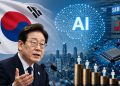
Beyond inter-Korean relations, Lee highlighted South Korea’s evolving position in the global arena. He presented Seoul as a model of democratic resilience, emphasizing the country’s experience in overcoming crises and its readiness to contribute to international stability. During his UN Security Council appearance, he stressed initiatives such as “AI for all”, advocating for the responsible deployment of artificial intelligence to address global challenges including climate change and governance.
International Support and Cooperation
On the sidelines of the UN General Assembly, Lee met with UN Secretary-General Antonio Guterres, who welcomed South Korea’s approach as a “wise initiative” and pledged active support. Guterres recognized Seoul as a trusted partner on humanitarian aid, human rights, and global conflicts such as the Gaza crisis and the war in Ukraine. Lee emphasized that security on the Korean Peninsula is inseparable from global stability and reaffirmed South Korea’s commitment to play a more proactive role in international governance.