



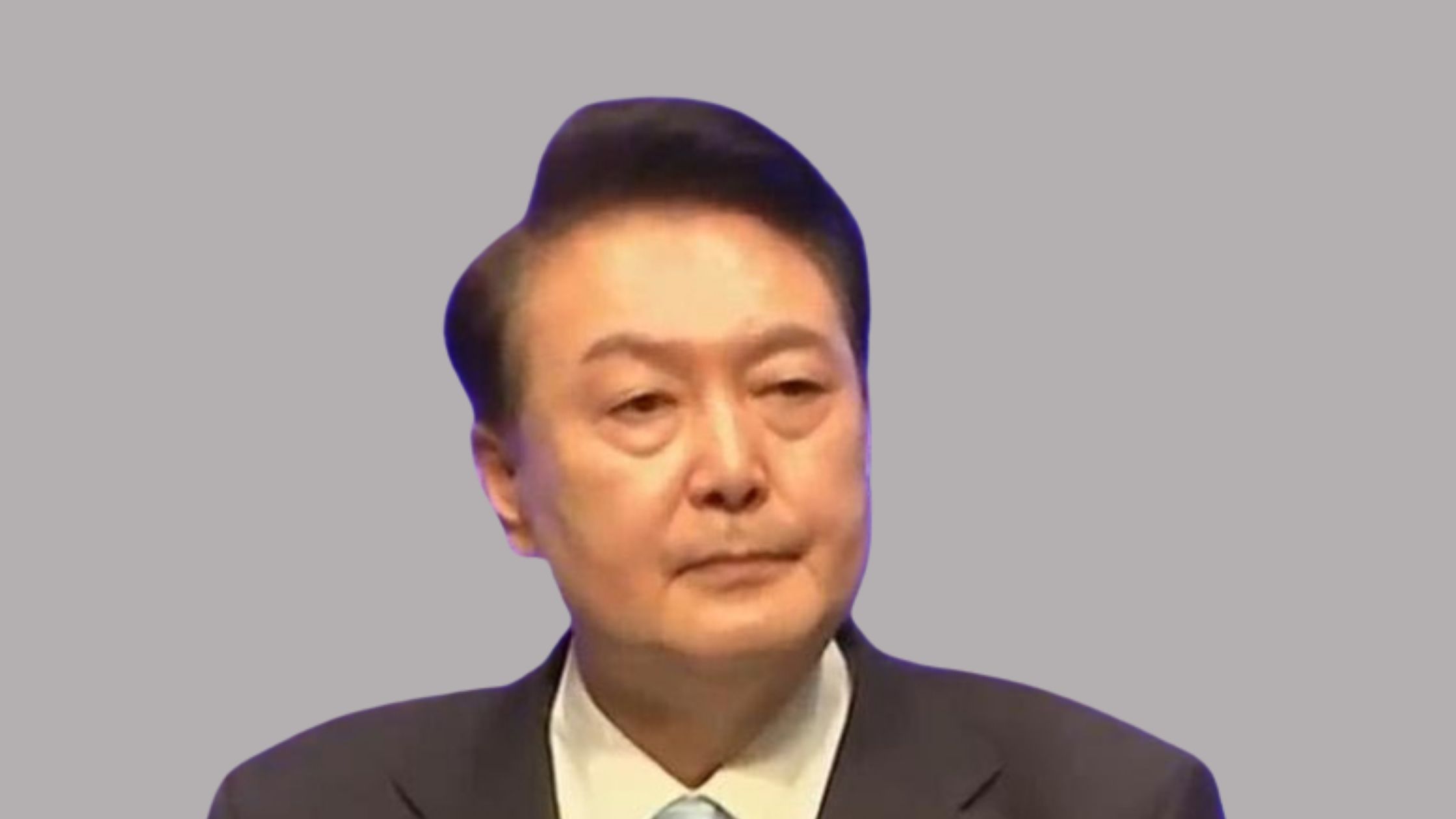
Former South Korean president Yoon Suk Yeol has been taken back into custody in connection with his failed attempt to enforce martial law last December—a move that plunged the country into political turmoil. A Seoul court approved his detention early Thursday, siding with prosecutors who argued there was a risk he might tamper with evidence or obstruct the ongoing investigation.

The decision follows a seven-hour hearing on Wednesday at the Seoul Central District Court, where Yoon appeared in person. He was later taken into custody and transferred to a detention center near the capital. It marks his second arrest linked to the martial law case, after his initial detention in January was overturned in March, allowing him to stand trial without being jailed.
Yoon Suk Yeol, South Korea’s former president, now faces a growing list of serious charges related to his failed attempt to impose martial law last December. Prosecutors accuse him of leading an insurrection, abusing power, and obstructing official duties.
He allegedly bypassed key cabinet members during a crucial meeting, sent military drones toward North Korea to provoke tension, and gave direct orders to deploy troops around parliament. His actions, investigators say, were part of a broader plan to hold on to power amid political opposition.
The Seoul Central District Court approved his rearrest on Thursday, citing concerns that Yoon could interfere with the ongoing investigation. The court’s decision came after a lengthy hearing the previous day, during which Special Prosecutor Cho Eun-suk presented evidence suggesting that Yoon had tried to destroy communication records and hinder the execution of legal warrants. Yoon’s legal team criticized the arrest as politically motivated and argued that the charges lacked sufficient basis.
Yoon, a conservative leader, was removed from office in April after the Constitutional Court unanimously upheld his impeachment. Lawmakers had earlier voted to remove him in December, shortly after he declared martial law, a move that triggered widespread public outcry and was quickly overturned. Protesters and legislators stormed the National Assembly building, blocking soldiers and nullifying the decree within hours.
Following his ouster, Yoon has been under constant legal scrutiny. Prosecutors claim he ordered security forces to arrest opposition politicians, including then-rival Lee Jae-myung, who has since become president.
Yoon is also accused of authorizing the use of force against lawmakers and obstructing the work of the Corruption Investigation Office during attempts to execute warrants at the end of last year.
If found guilty of leading an insurrection, Yoon could face life imprisonment or the death penalty—punishments allowed under South Korean law for such rare and extreme charges. Although his lawyers deny he gave violent or unlawful orders, the former president now faces the possibility of spending several months in custody while investigators continue building their case.
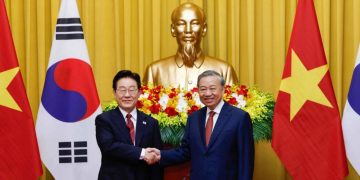
President Lee Jae-myung, elected in June after Yoon’s impeachment, has prioritized restoring public trust in South Korea’s democracy. He approved a series of special investigations targeting Yoon’s failed martial law declaration and other allegations involving his administration and wife. Lee’s campaign focused on protecting democratic institutions, and his government quickly moved to empower independent prosecutors following Yoon’s ousting.
Prosecutors say Yoon bypassed legal requirements for declaring martial law, such as holding a full Cabinet meeting, and used presidential security forces like a personal militia to resist arrest in January. While Yoon’s lawyers argue that all key evidence has already been secured, investigators maintain that the risk of obstruction still justifies his rearrest. The case continues to draw national attention in a country with a history of military coups, which many feared Yoon sought to emulate.