

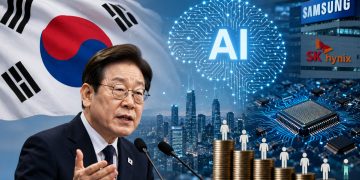

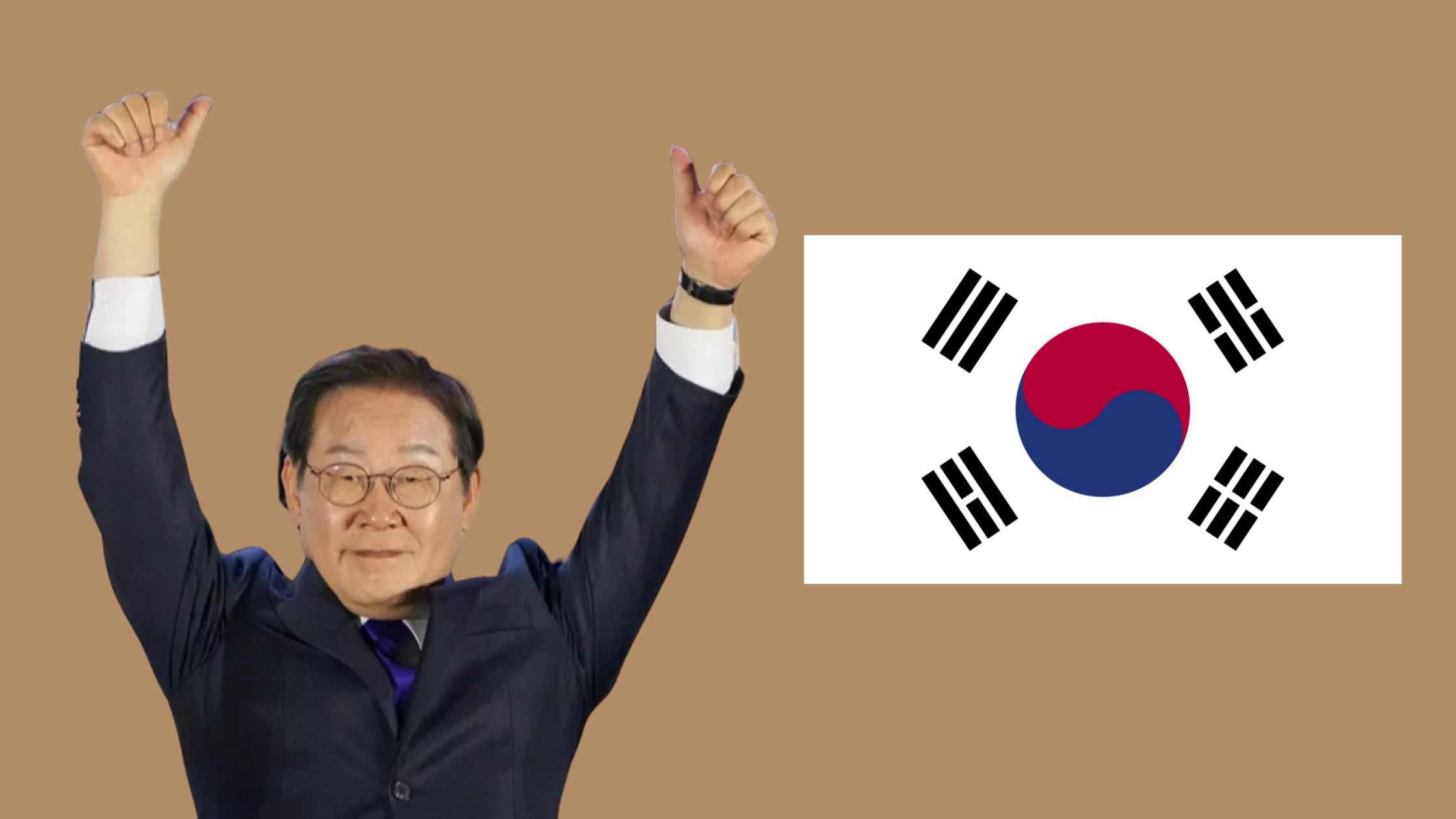
On Wednesday, Lee Jae-myung officially became South Korea’s new president following a clear win in an early election. The center-left candidate from the Democratic Party of Korea (DPK) secured a significant lead over his conservative opponent, Kim Moon-soo, and assumed office promptly after the National Election Commission certified the outcome.

Lee Jae-myung Sworn In as South Korea’s President Following Snap Election Victory
Lee’s election follows months of unrest sparked by former President Yoon Suk Yeol’s controversial move to impose martial law in December 2024—a decision that led to his impeachment and forced an early vote. With 49.42 percent of the vote and the highest turnout since 1997, Lee begins his term with strong public support and a clear mandate to lead.
Unlike typical South Korean transitions, Lee’s term began immediately due to the snap election following Yoon’s impeachment.
Early Wednesday, Roh Tae-ak, chair of the National Election Commission, formally announced Lee’s victory, following Kim’s earlier concession that his chances of winning had vanished. Lee assumed office shortly before the United States was set to enforce 50 percent tariffs on South Korea’s key steel and aluminum exports. Despite this, financial markets reacted favorably, with both the KOSPI index and the Korean Won strengthening.
Assuming leadership amid ongoing political unrest, Lee faces a nation still unsettled by the fallout from Yoon’s declaration of martial law and the growing influence of far-right groups, which experts say have shaken the country’s democratic stability. In his victory speech, Lee called for unity and a hopeful new beginning, emphasizing dialogue and cooperation with North Korea to pursue peaceful coexistence and shared growth.
On his first day, Lee met with the military’s top commander to confirm the transfer of operational control of South Korea’s armed forces. He praised the military’s professionalism during the martial law crisis and urged continued vigilance against North Korean threats. Lee also visited the National Cemetery to honor former presidents, reflecting a somber start to his presidency.
A modest inauguration is expected to take place at the National Assembly, contrasting with the large-scale celebrations typical of regular elections. Lee will soon move to the presidential office to appoint key cabinet members, including the chief of staff, prime minister, and intelligence director.
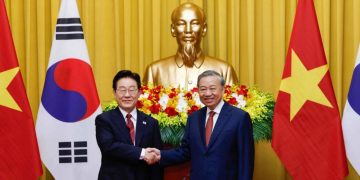
On diplomatic matters, Lee has pledged to pursue practical diplomacy, aiming to reinforce the trilateral partnership between Seoul, Washington, and Tokyo—a position similar to that of conservative predecessors. While he expressed a desire to improve relations with North Korea, Lee acknowledged that holding a summit with North Korean leader Kim Jong Un in the near future would be challenging, suggesting he does not plan drastic moves on this front.
Despite his election success, Lee faces ongoing legal challenges, including multiple criminal charges and allegations of election law violations. Critics have also accused him of tightly controlling the Democratic Party and stifling internal opposition. Nevertheless, during the campaign, Lee positioned himself as a target of political persecution and a defender of democratic values, helping to secure the party’s return to power just three years after its last major victory.