






Expanding investigation points to a wider pattern of drug-facilitated crimes, raising concerns over evolving methods and gaps in detection
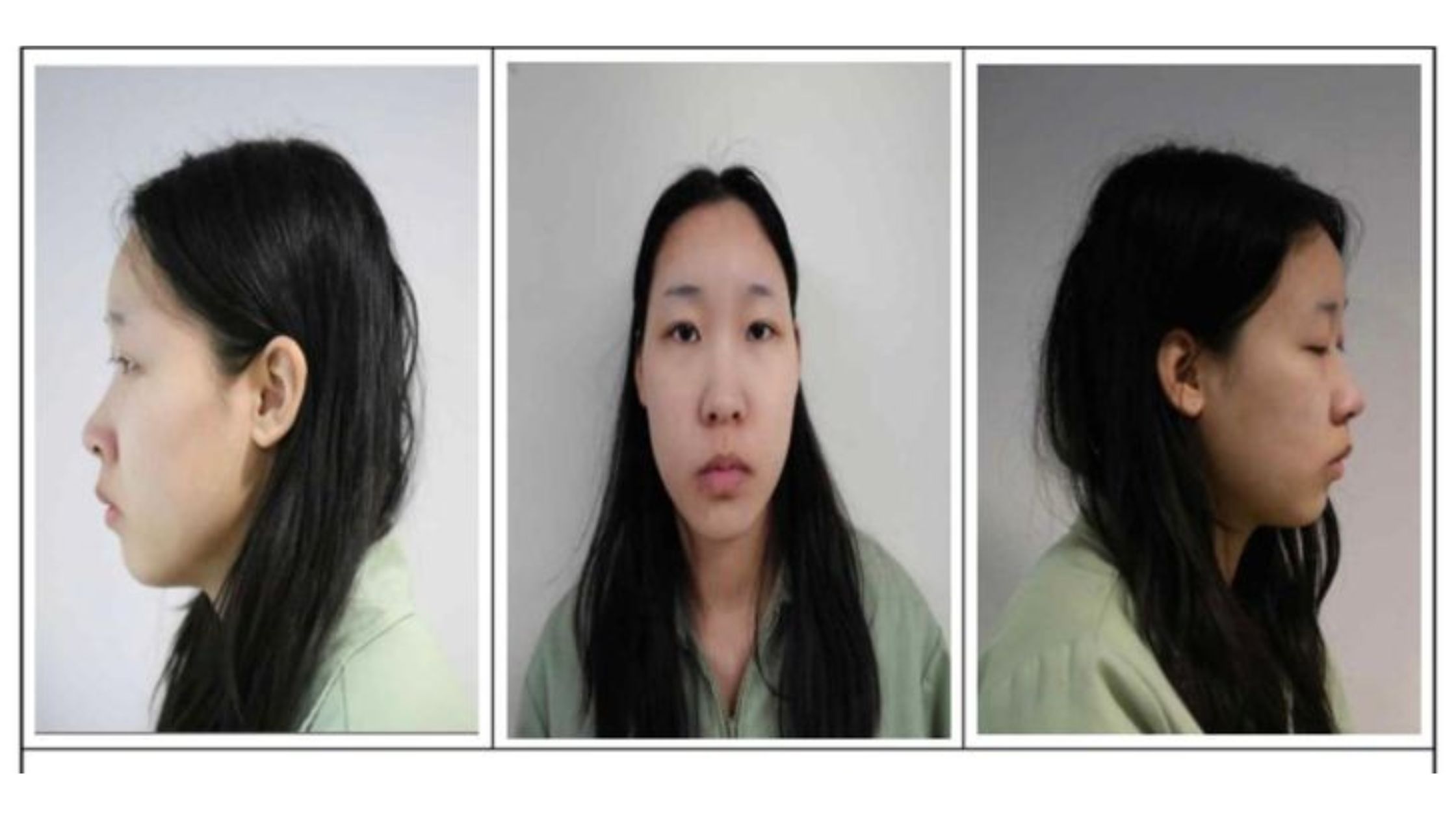
South Korean authorities have linked a woman accused of carrying out a series of laced drink murders to three additional victims, broadening the scope of a case that has drawn national attention. The suspect, a woman in her 20s identified by her surname Kim, has already been indicted on charges including murder after allegedly poisoning victims with drug-laced beverages.

Investigators now believe the number of victims has risen to six, including two men who died and one who survived after receiving medical treatment. The newly identified victims are reported to have suffered harm after consuming drinks provided by the suspect, indicating a wider pattern of similar acts over several months.
According to prosecutors, the incidents took place between late 2025 and early 2026, primarily in Seoul. The suspect is accused of using benzodiazepine, a sedative known to cause drowsiness and loss of consciousness, to incapacitate victims before carrying out the crimes.
Authorities believe the acts were premeditated, with evidence suggesting that the suspect prepared the substances in advance. Investigators have also indicated that the dosage may have been adjusted over time, pointing to a developing method rather than isolated incidents.
Evidence and Breakthroughs
Forensic analysis confirmed the presence of the same sedative in multiple victims, strengthening links between the cases. Investigators also uncovered digital records suggesting the suspect had researched drug effects, including through the use of generative artificial intelligence tools.
This aspect of the case has drawn attention to how easily accessible information can be used to facilitate criminal activity, particularly in cases that rely on chemical incapacitation rather than physical force.
Authorities have suggested that financial motives may have played a role, although the full extent of intent remains under investigation. Reports also point to possible personal factors, including social isolation and family-related issues.
Police have stated that the suspect met the threshold for psychopathy in preliminary assessments, though such findings are expected to be examined further during legal proceedings.
Legal Proceedings Underway
The suspect has been formally indicted and is facing multiple charges, including murder and violations of narcotics laws. Her trial is scheduled to begin in April, where prosecutors are expected to present evidence linking her to all identified victims.
As the investigation continues, authorities are also examining whether additional victims may exist, given the emerging pattern of behaviour.
Broader Implications
The case highlights a shift in the nature of certain violent crimes, where perpetrators rely on substances to incapacitate victims rather than direct confrontation. This method can make detection more difficult and may delay recognition of patterns across cases.
It also raises questions about the role of digital tools in enabling such crimes, as well as the challenges law enforcement faces in tracking evolving methods. As more details emerge, the case is likely to prompt closer scrutiny of both prevention measures and investigative approaches in similar incidents.