




The President’s comments revive debate over medical necessity and strained insurance funds. Officials weigh mental health concerns against fiscal limits.
A national debate has emerged after President Lee Jae-myung asked government officials to examine whether hair-loss treatment should be included under South Korea’s national health insurance system. Speaking during a policy briefing at the Ministry of Health and Welfare, Lee argued that baldness should no longer be dismissed as a cosmetic concern, saying it has increasingly become “a matter of survival” for young people navigating intense social and workplace pressure.

The remark quickly gained traction beyond health policy circles, touching on broader questions about mental well-being, generational anxiety and the role of public insurance. While Lee framed the issue as one of fairness and inclusion, critics questioned whether such a move aligns with the core purpose of a system already under financial strain.
What the Insurance System Covers — and Why
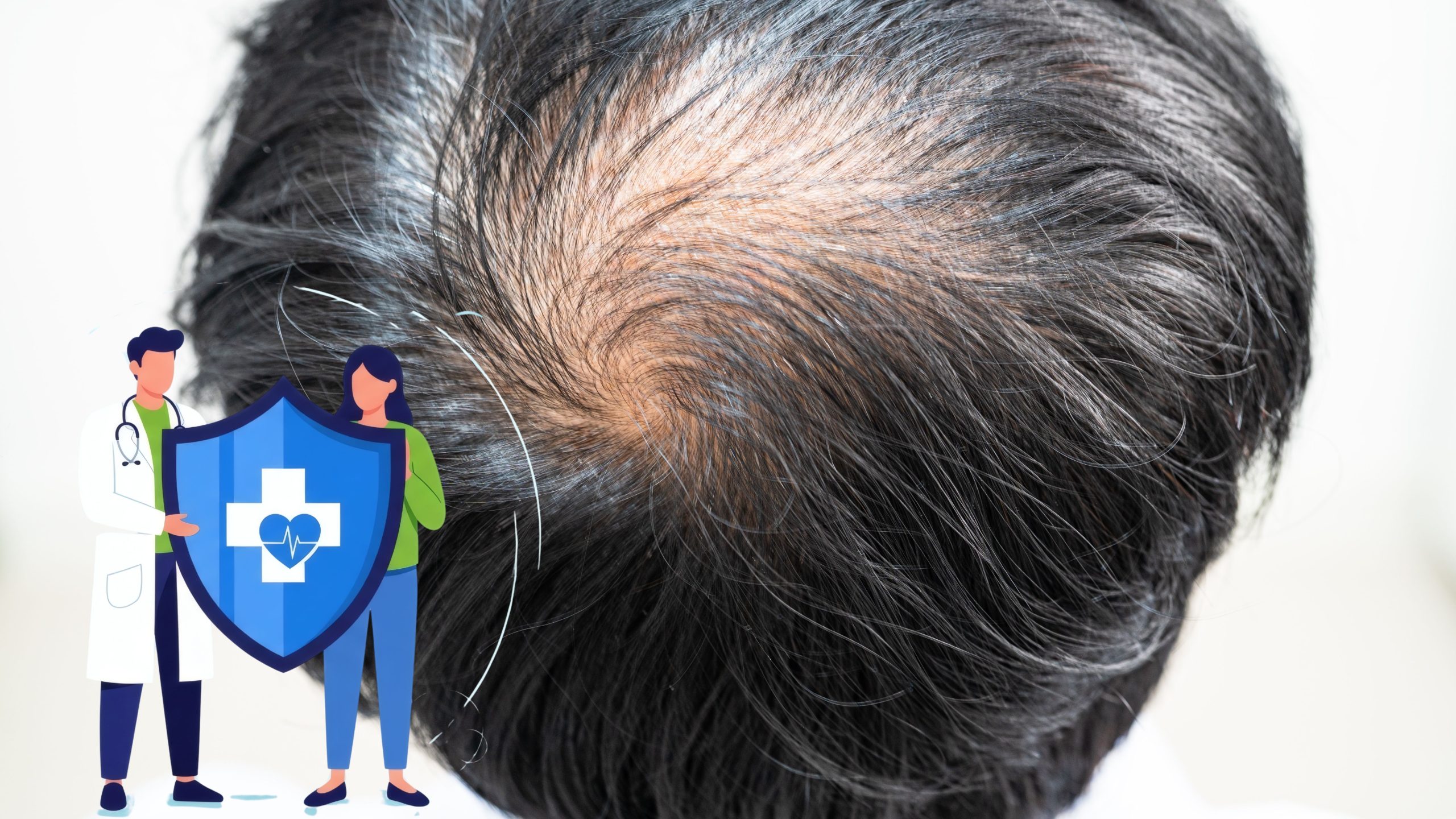
South Korea operates a universal health insurance scheme funded through income-based premiums. At present, the system covers only medically induced hair loss, such as alopecia areata, and does so on a limited basis. Common hereditary or age-related baldness remains excluded.
Health authorities have long defended this boundary, arguing that genetic hair loss is not life-threatening and does not involve clear physiological symptoms. When Health Minister Jeong Eun-kyeong reiterated this position during the briefing, Lee pushed back, questioning whether policy should hinge solely on whether a condition meets a narrow medical definition. “Is it simply a matter of how we define disease?” he asked, suggesting that the current framework may overlook social and psychological harm.
Support From Patients, Unease From Others
For many people experiencing hair loss, Lee’s remarks resonated. Some patients said insurance coverage would reduce financial pressure, but more importantly, validate the emotional and social impact of the condition. Hair-loss forums and online communities reacted positively, with users noting that depression and isolation linked to hair loss are often ignored in public discourse.
At the same time, opposition has been strongest among patient groups representing those with cancer and rare diseases. Their concern is less about hair loss itself than about priorities. Leaders of severe-disease advocacy groups have warned that expanding coverage for non-life-threatening conditions risks sidelining patients who still face enormous out-of-pocket costs for essential medications. From their perspective, the proposal sends the wrong signal at a time when medical urgency should guide spending.
Medical professionals have echoed that caution. The Korean Medical Association said insurance resources should focus on treatments with clear clinical necessity, arguing that expanding coverage for hair loss would stretch the system without addressing more pressing gaps in care.
The Fiscal Reality Behind the Debate
The timing of the proposal has added to the controversy. South Korea’s health insurance fund is facing growing financial pressure, with projections indicating a shift from surplus to deficit in the coming years. While roughly 240,000 people received insurance support last year for medically related hair-loss conditions, experts estimate that millions experience hereditary baldness.
Health authorities have warned that extending coverage broadly could significantly increase spending. Jeong acknowledged in a radio interview that hereditary hair loss accounts for the majority of cases and that covering it would have a major impact on insurance finances. The scale of potential beneficiaries, rather than the cost per patient, is what worries policymakers most.
Limits, Signals and the Political Undercurrent
Lee has sought to soften concerns by suggesting that any expansion could include limits on frequency or total claims, drawing comparisons to obesity treatment policies where surgery is covered but medication is not. Officials stress that no formal proposal exists yet and that ministries are still assessing fiscal impact and public opinion.
Still, the debate has taken on a political dimension. Lee floated a similar idea during his unsuccessful 2022 presidential bid, when critics dismissed it as populist. Although he later dropped the proposal from his election platform, its return has led some observers to question whether the issue is also about appealing to younger voters, particularly men, ahead of upcoming local elections.
For now, the discussion remains unresolved. But it has exposed deeper tensions within South Korea’s healthcare system — between physical illness and mental well-being, between fiscal discipline and social pressure, and between what public insurance is designed to treat and what society increasingly expects it to address.